

Journalist and content writer specialized in managing and editing digital content for social media platforms
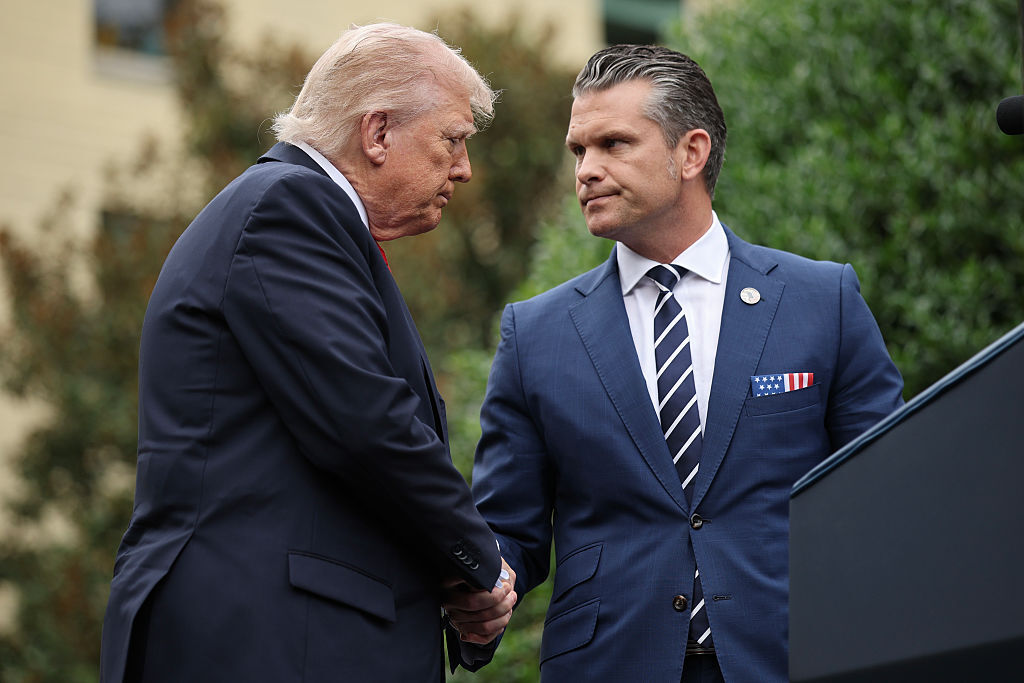
In a notable address at Quantico base, President Donald Trump warned of a 'War from Within' related to crime and immigration, marking a significant political use of the military platform.
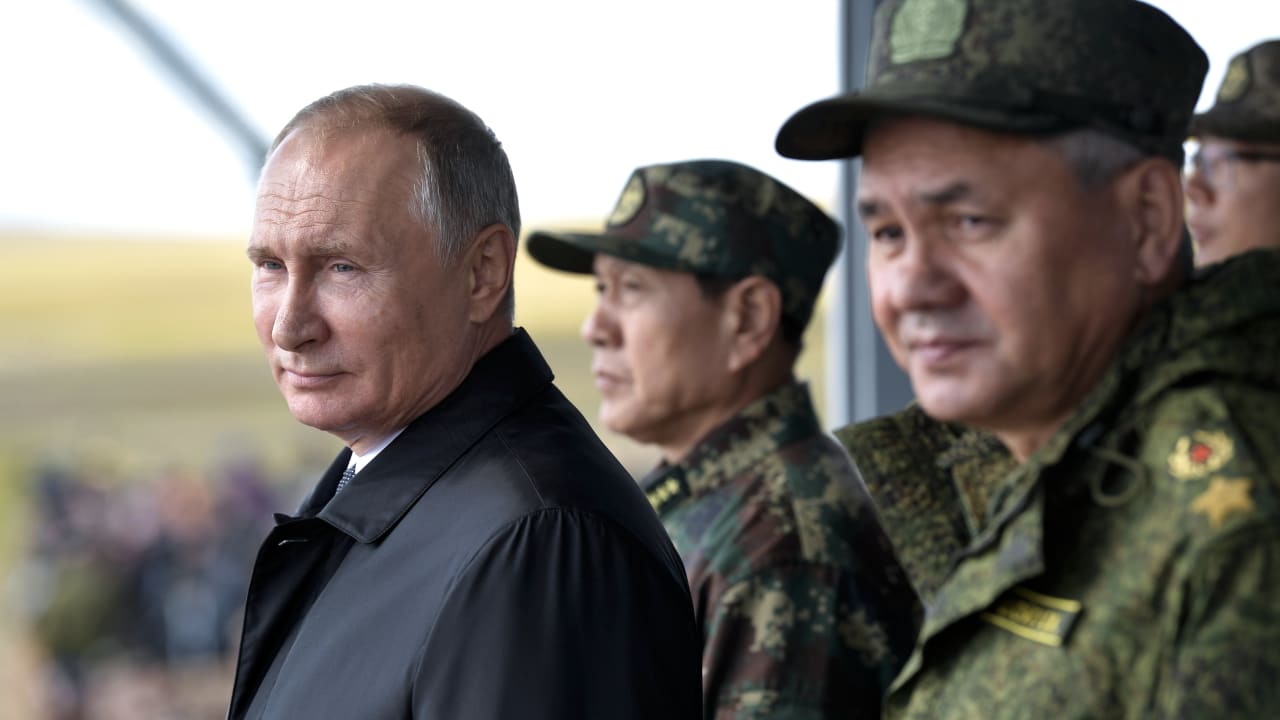
In a development worth pondering, the international arena is witnessing a war of statements between Moscow and Washington regarding the future of the conflict in Ukraine, where the Kremlin has firmly declared that Kyiv is unable to regain the territories controlled by the Russian army, despite contrary American assurances.

In a new development on the path of the crisis in Gaza, U.S. President Donald Trump announced a comprehensive plan to end the war, which received wide acclaim from world leaders, while the ongoing challenges on the ground represent a real test of its feasibility.
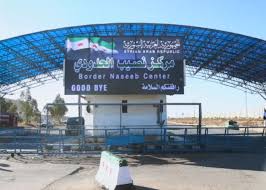
The economic relations between Jordan and Syria are witnessing a new phase of recovery, as official data revealed a significant jump in the volume of trade between the two countries during the first seven months of this year. These figures not only reflect an improvement in economic conditions but may also indicate a shift in regional circumstances.
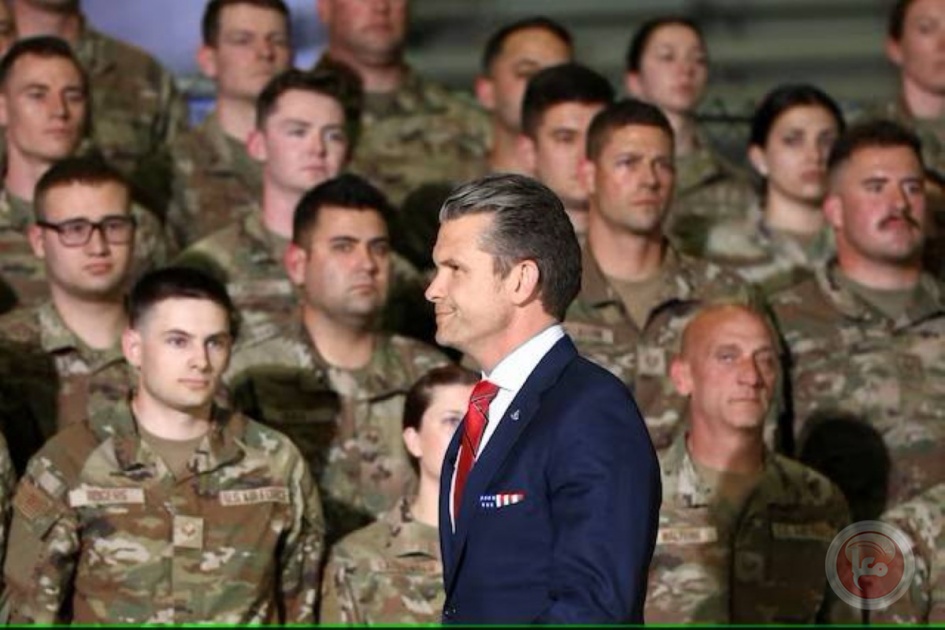
In a rare move, the U.S. military leadership is preparing to hold an emergency and unprecedented meeting, considered the largest of its kind, where about 800 generals and admirals from around the world have been summoned to meet at a military base in Virginia. This extraordinary gathering has raised numerous questions about its true objectives and timing.
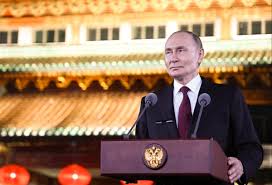
In a surprising move, Russian President Vladimir Putin announced his country's readiness to extend the "New START" treaty for limiting strategic nuclear weapons for an additional year after its expiration in February 2026. This development comes at a time when international relations are experiencing unprecedented tensions, making it a positive signal in a sea of disputes.
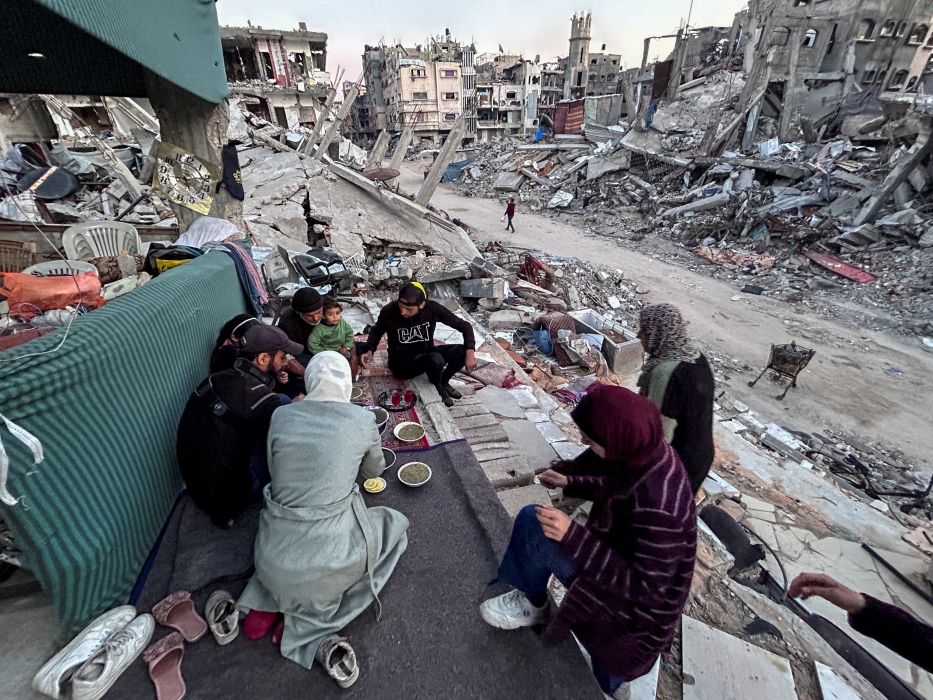
Regional diplomacy is witnessing intense activity these days, as speculations rise about an "extraordinary event" described by U.S. President Donald Trump as potentially achieving "great accomplishments" in the Middle East. These statements come at a highly sensitive time, just before the anticipated meeting between Trump and Israeli Prime Minister Benjamin Netanyahu at the White House.
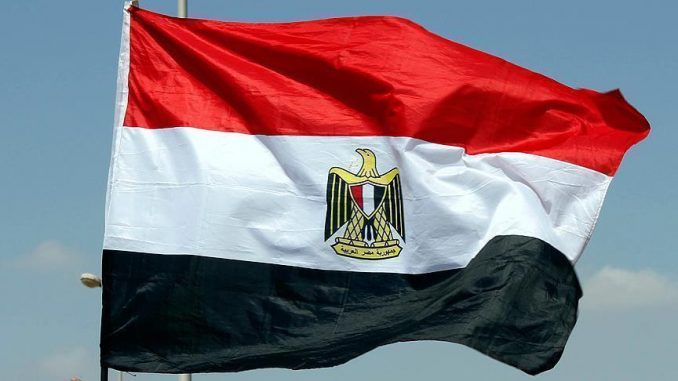
The Egyptian position has witnessed a notable shift recently regarding the issue of deploying international forces in the Gaza Strip, moving from initial rejection to conditional acceptance, in a step that raises questions about the motives behind this change and its potential effects on the future of the Palestinian cause.

In a notable development reflecting a shift in Syrian economic policy, New York recently witnessed an unprecedented meeting that brought together Syrian President Ahmad al-Shara with representatives of around 40 major global companies, in a move aimed at attracting foreign investments following the lifting of international sanctions on Damascus.
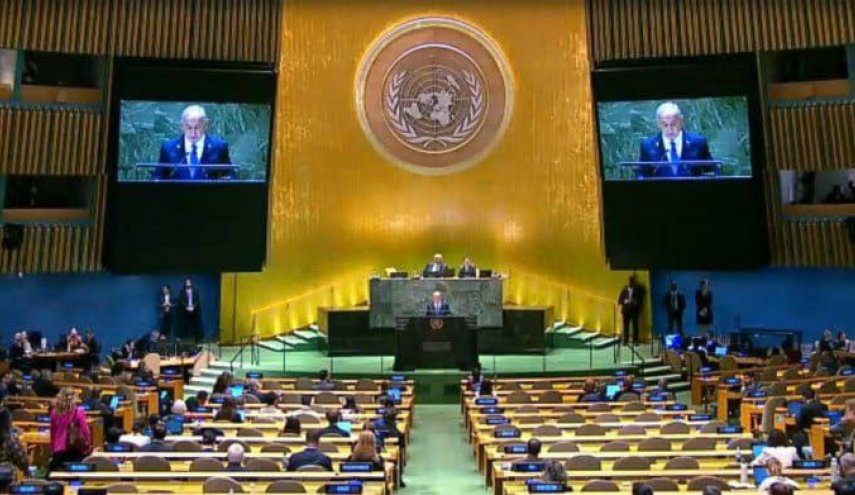
In a scene reflecting Israel's increasing isolation on the international stage, Prime Minister Benjamin Netanyahu stood before a nearly empty hall at the United Nations General Assembly, in a speech that Israeli media described as "repetitive and devoid of any new visions."
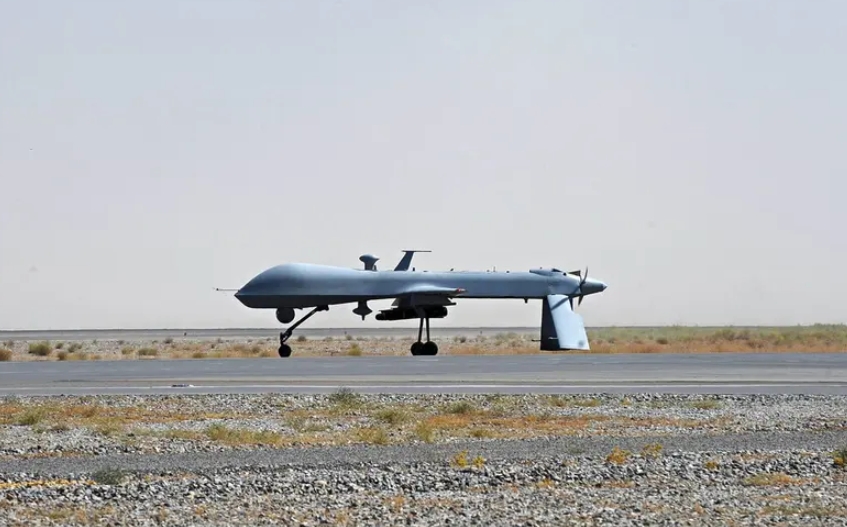
The ambitious program launched by the Pentagon in 2023 under the name "Replicator" faces significant challenges that hinder its objectives, prompting a restructuring and transfer to special operations command in an attempt to rescue it from stagnation.
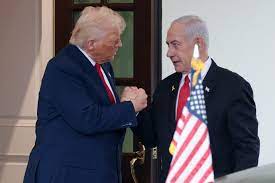
A recent opinion poll in Israel revealed a notable shift in public mood, showing widespread support for the peace plan that U.S. President Donald Trump is expected to present to end the war in Gaza. This may reflect a societal desire to seek an exit from the cycle of violence that has persisted for months.
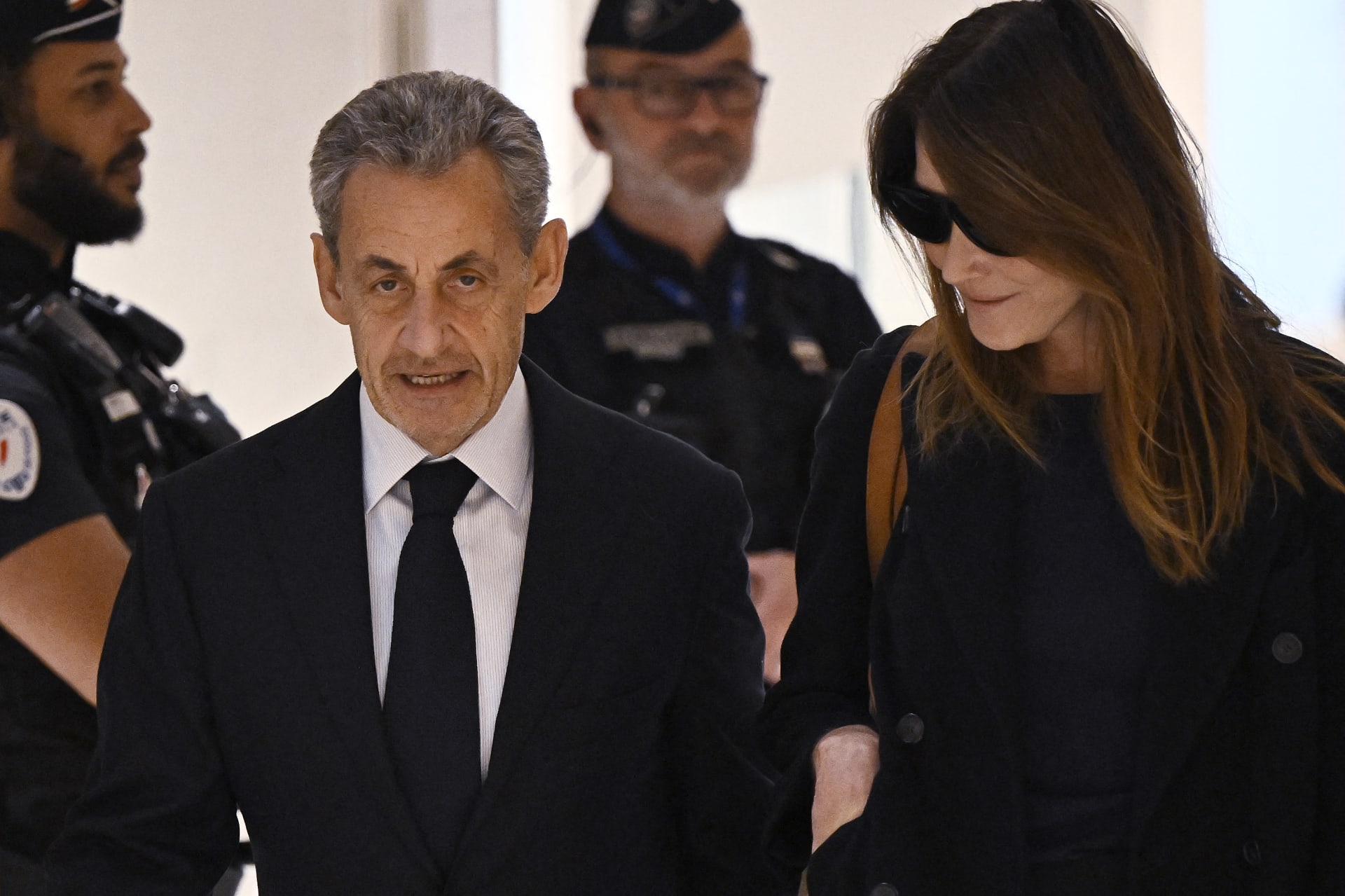
In a first-of-its-kind step in the history of the Fifth French Republic, former President Nicolas Sarkozy faces an unprecedented judicial fate after a Paris court sentenced him to five years in prison for criminal conspiracy to finance his 2007 election campaign from the regime of Muammar Gaddafi.
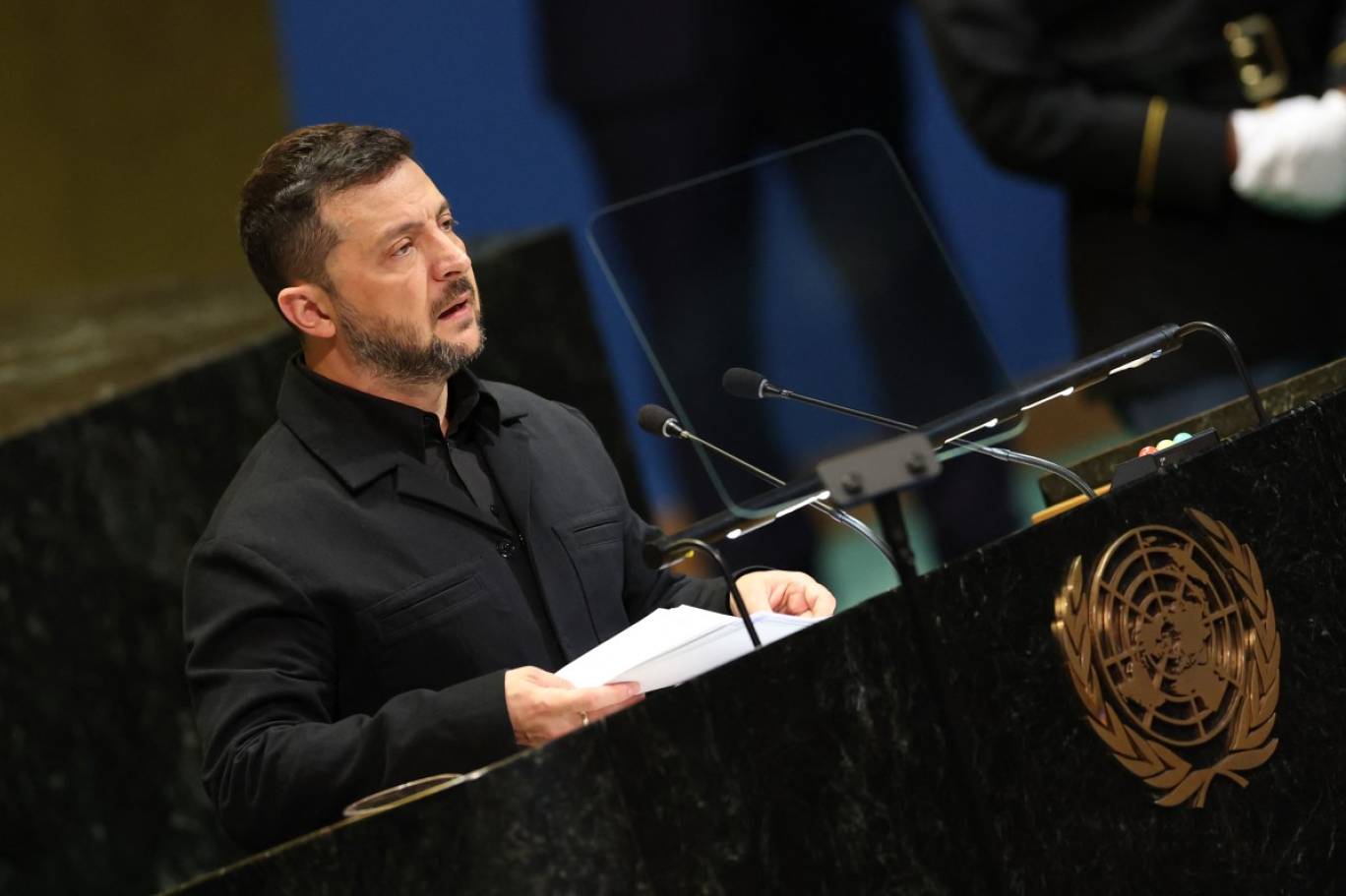
In a diplomatic development worthy of reflection, Ukrainian President Volodymyr Zelensky announced the resumption of diplomatic relations with Syria during his participation in the United Nations General Assembly. This step represents a new chapter in the relations between the two countries, which have been severed since 2022.
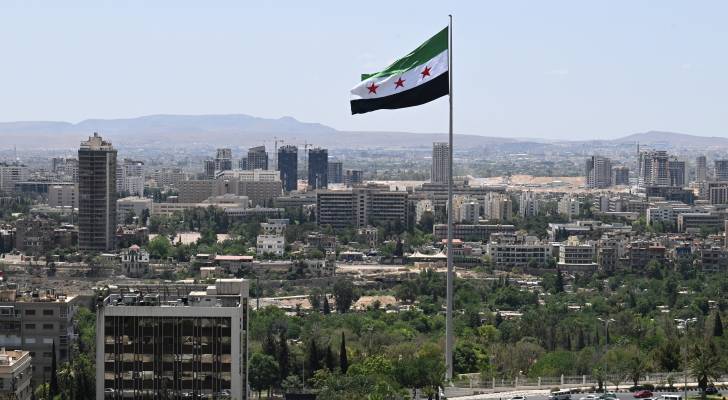
Syria is currently witnessing a remarkable investment movement in the tourism sector, as the government announced deals worth 1.5 billion dollars aimed at reviving this vital sector. This announcement comes at a highly sensitive time, as Damascus seeks to enhance economic recovery indicators after years of crisis.
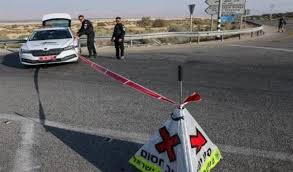
In a scene that reflects the complexities of daily life under occupation, the issue of crossings returns to dominate the Palestinian scene once again, this time with the closure of the Karama crossing, the gateway that connects the West Bank to Jordan and the rest of the world.

The global financial landscape is witnessing a radical transformation that is hard to ignore, characterized by the rapid spread of instant payment systems. These systems, which allow for the instantaneous transfer of funds between accounts around the clock, are no longer just an advanced technology; they have become a reality that imposes itself. But the question arises: Can banks effectively leverage this revolution?
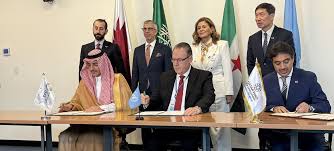
In a notable development in the regional humanitarian scene, the Qatari capital Doha witnessed the signing of a joint funding agreement between the Qatar Development Fund, the Saudi Development Fund, and the United Nations Development Programme. The agreement, valued at 89 million US dollars, aims to support the continued provision of essential services in Syria over the next three months.

In the American scene, President Trump announced an increase in the fees for H-1B skilled worker visas to $100,000, in a move described as "shocking" to the technology circles in Silicon Valley. This decision caused widespread confusion among foreign workers, and technology companies rushed to adapt to the new changes.
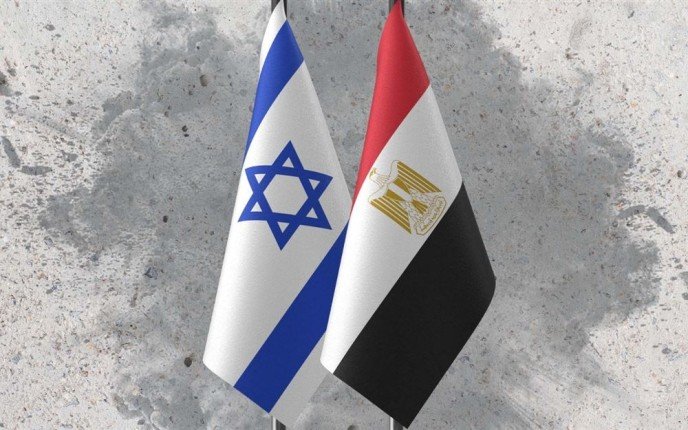
The Sinai Peninsula is witnessing a state of escalating tension between Egypt and Israel, in a scene that recalls the historical sensitivity of this strategic region. While Cairo asserts that enhancing its military presence east of the Suez Canal aims to protect its borders and combat terrorism, Tel Aviv considers this deployment a violation of the security arrangements stemming from the Camp David Accords.