The Hidden Depths of Laughter: Psychological Symbols and Themes in 'SpongeBob SquarePants'
January 15, 202623 AufrufeLesezeit: 3 Minuten
Schriftgröße
16
More than 25 years after its debut in 1999 on Nickelodeon, the iconic animated series "SpongeBob SquarePants" continues to spark debate and reveal layers that extend beyond mere children's entertainment.
Analyses suggest that the series incorporates psychological symbols and characters that reflect complex human behaviors, which viewers may not fully grasp in their formative years.
Analyses suggest that the series incorporates psychological symbols and characters that reflect complex human behaviors, which viewers may not fully grasp in their formative years.
Ongoing Success and New Seasons
"SpongeBob" is set to launch its sixteenth season later this year, having produced over 300 episodes and five feature films, the latest being "SpongeBob: On the Hunt for Bikini Bottom."
Upon revisiting older episodes, many viewers have noticed subtle details, cultural references, and enigmatic side characters, making the viewing experience markedly different from the first time.
The Seven Deadly Sins Theory
A user named Alice reignited the conversation by sharing her niece's observation that the main characters represent the seven deadly sins, a theory that has gained traction on social media.
Alice stated:
"I researched and found that the creators have openly discussed this. Their aim was not to deliver a direct moral lesson to children but to add a hidden psychological layer that adults subconsciously perceive."
Symbolic Interpretation of 'SpongeBob' Characters
According to this interpretation, the main characters symbolize exaggerated human traits:
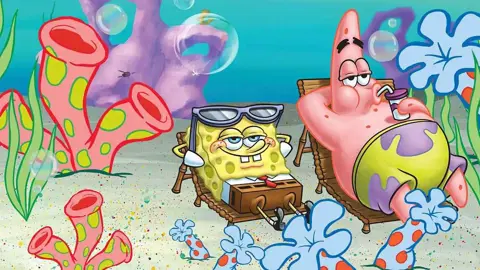
Patrick Star: represents laziness and inertia, living under a rock and avoiding responsibility.
Mr. Krabs: embodies excessive greed, prioritizing money above all else.
Plankton: reflects envy, constantly preoccupied with what others possess instead of self-improvement.
Squidward: symbolizes suppressed anger and chronic frustration with life and surroundings.
Sandy Cheeks: represents pride and the desire to prove oneself superior.
SpongeBob: expresses an excessive need for love and approval.
Pearl: Mr. Krabs' daughter, symbolizes gluttony, given her large appetite and rapid growth.
No Villains, Just Humanity
Alice explains that these characters do not represent evil but rather mirror human behaviors that we encounter daily, albeit in exaggerated cartoon form, adding new dimensions to the series as viewers age.
Was the Series Made for Adults?
In this context, users on TikTok argue that "SpongeBob" was designed not only for children but also for adults, featuring psychological hints and indirect messages that explain its lasting popularity across generations.
These users note that this approach is not unique, as many classic children's shows tackle profound or dark themes, such as "Adventure Time," which blends entertainment with hidden philosophical messages.
The Secret to Lasting Appeal
Between simple comedy and deeper symbolism, the secret to "SpongeBob's" success appears to lie in its ability to engage both children and adults, maintaining its status as one of the most influential and widely recognized animated series in television history.