Oil Prices Decline Amid US-Iran Tensions and Supply Concerns
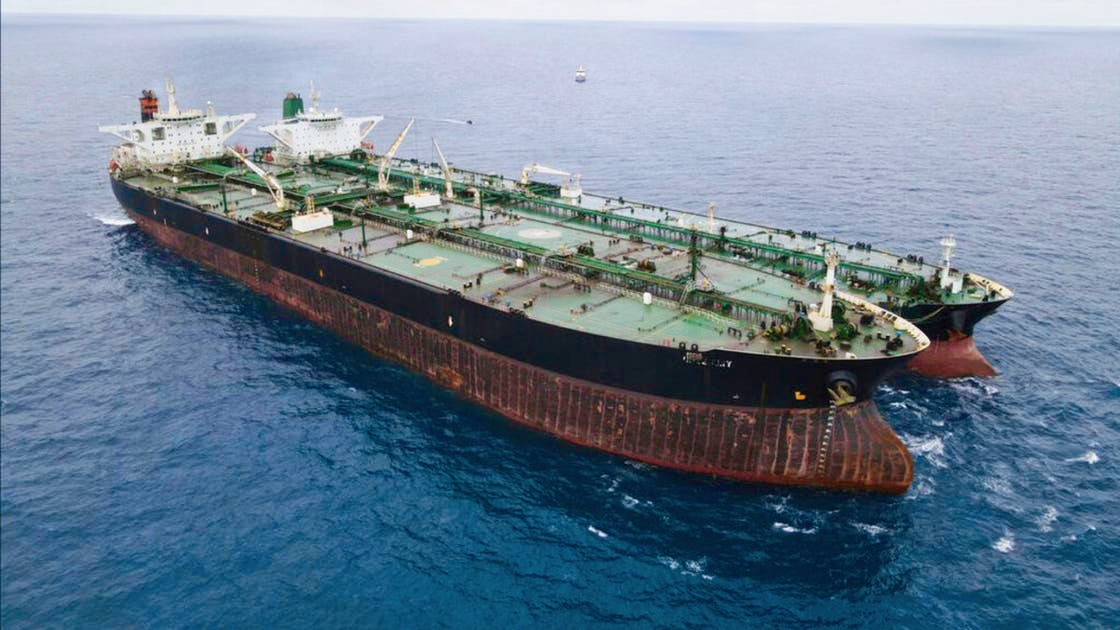
Oil prices fell slightly on Tuesday as global markets evaluated the potential risks to supply amid escalating tensions between the United States and Iran, alongside ongoing concerns regarding maritime security in the strategically significant Strait of Hormuz.
Brent crude futures dropped by 25 cents, or 0.4%, to $68.79 per barrel at 01:02 GMT, while West Texas Intermediate (WTI) fell by 23 cents, or 0.4%, to $64.13 per barrel, according to Reuters data.
This decline follows a notable increase of over 1% on Monday, spurred by directives from the US Coast Guard advising US-flagged vessels to avoid Iranian territorial waters and to decline any boarding requests from Iranian authorities.
These directives are particularly significant given that the Strait of Hormuz is vital to the global energy market, with approximately one-fifth of the world’s oil passing through this route between Oman and Iran, making any geopolitical escalation in the region a direct threat to global crude oil supplies.
Iran, along with several OPEC member states, relies on the Strait for exporting the majority of its oil production, especially to Asian markets.
The US warnings came despite remarks from the Iranian Foreign Minister, who stated that indirect nuclear talks with the US, mediated by Oman, had "started well" and would continue in the near future.
In this context, IG analyst Tony Sycamore noted in a client update that the cautiously optimistic tone surrounding the talks in Oman was insufficient to fully alleviate concerns. He indicated that ongoing uncertainty regarding potential escalations, further sanctions, or disruptions in the Strait of Hormuz continues to maintain a limited but stable risk premium in oil prices.
On another note, a document obtained by Reuters revealed that the European Union has proposed expanding its sanctions against Russia to include ports in Georgia and Indonesia that engage in trade involving Russian oil, marking a first-of-its-kind move targeting ports in third countries.
This initiative is part of increasing European efforts to intensify pressure on Russian oil exports, a crucial revenue source for Moscow amid the ongoing conflict in Ukraine.