Kremlin Responds to German Criticism: Putin Not Seeking to Revive Soviet Union
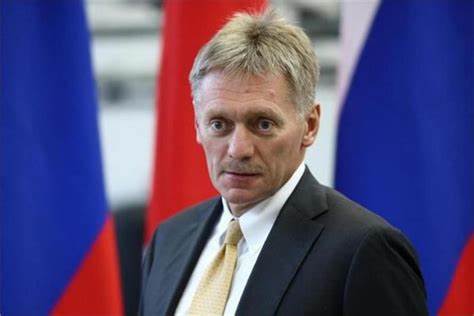
In a direct response to strong European criticism, the Kremlin officially denied any intentions of Russia to revive the Soviet Union or to launch attacks on NATO, stated Russian presidential spokesperson Dmitry Peskov on Tuesday.
These comments followed a European-Ukrainian summit held on Monday in London, where Ukrainian President Volodymyr Zelenskyy met with British Prime Minister Keir Starmer, French President Emmanuel Macron, and German Chancellor Friedrich Merz to reaffirm ongoing European support for Kyiv.
During the meeting, Chancellor Merz expressed his "doubts" regarding "certain details in the documents from the United States," referring to a non-publicized peace proposal put forth by former President Donald Trump. Merz stated, "This matter needs to be discussed." He also criticized Moscow, suggesting that President Vladimir Putin aims to "restore the glory of the Soviet Union" and threaten NATO countries.
In response to these remarks, Peskov clarified that President Putin "does not wish to revive the Soviet Union," deeming such a notion "impossible." He labeled Merz's comments regarding this topic and "attacks on Europe" as "incorrect."
Peskov added, in statements disseminated by official media, that claims about Russia's "readiness" to attack NATO are "pure fantasies," as he described them.
On the other hand, the Kremlin spokesperson revealed that "Moscow is in constant contact with Washington and is waiting for the results of consultations on the peace plan," referring to the bilateral dialogue on diplomatic avenues.
This verbal escalation comes as President Zelenskyy emerges from the fourth meeting in London with a revised 20-point peace proposal, emphasizing that he is "morally and constitutionally" unable to concede any territory, referring to a clause in the hypothetical American proposal that suggests Kyiv might relinquish the Donbass region in favor of Russia.
The tough European rhetoric from London, the new Ukrainian proposal, and the clear Russian response all indicate a state of stagnation and polarization on the issue, as details of the American peace initiative remain undisclosed and under discussion among allies.