Elon Musk Warns of Potential Energy Infrastructure Collapse Within 30 Months
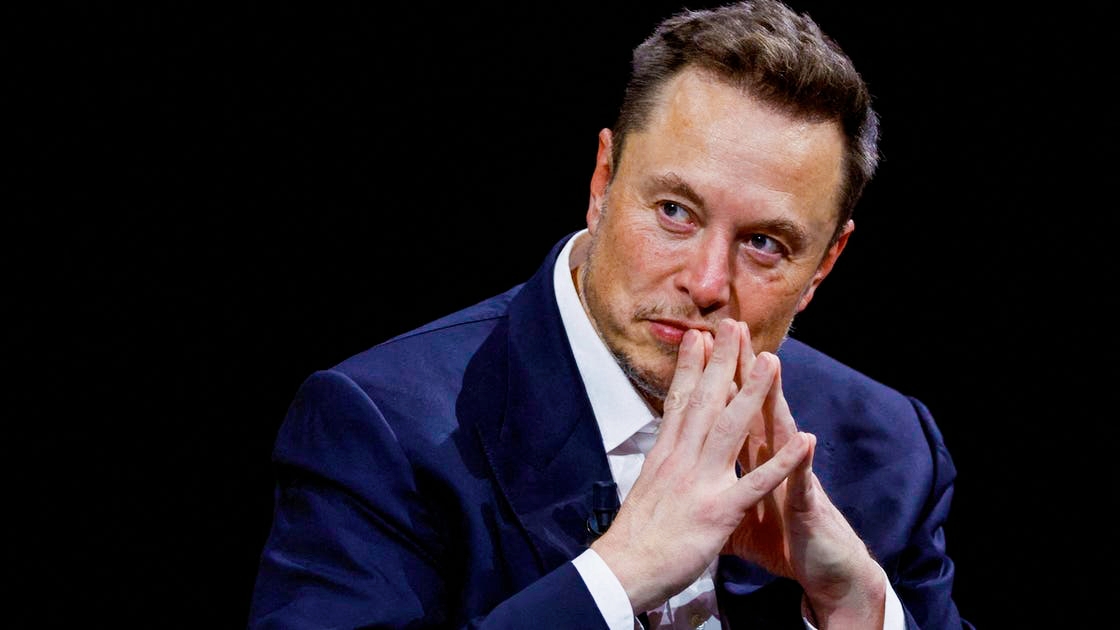
American billionaire Elon Musk has issued a serious warning, stating that the global energy infrastructure may face a catastrophic collapse within 30 to 36 months due to the rapid expansion of AI systems and their significant energy consumption.
This warning came during a detailed interview on "The Joe Rogan Experience" with John Collison, where Musk emphasized that current energy grids may struggle to cope with this pressure, stating: "In about three years, we will lose our energy... Remember my words... You can't grow bigger here."
Musk explained that the energy demands of AI exceed the adaptability of existing grids, potentially leading to widespread power outages that could disrupt essential digital services.
* Innovative Plan: Moving Computing to Space
As a groundbreaking solution to this crisis, Musk unveiled a plan to relocate a significant portion of computing power to space. This would involve launching a million small satellites equipped with solar-powered processors that harness constant sunlight in low Earth orbit.
Musk noted: "The sun is always in space, so we can generate limitless energy to power these systems, free from Earth's limitations."
* Concerns Over Potential Space Crisis
However, Musk's idea has not been without controversy; experts have raised concerns about overcrowding in Earth's orbit and an increased risk of satellite collisions, which could lead to a buildup of space debris and complicate future space missions.
The European Space Agency described this scenario as potentially hazardous for near-Earth space and called for the establishment of strict international standards before such large-scale projects are undertaken.
* Alarming Statistics on Energy Consumption
Data from the International Energy Agency indicates that energy consumption by AI data centers worldwide is projected to reach 480 terawatt-hours by 2025, marking a 35% increase from the previous year, with forecasts suggesting this figure could double by 2028 if current growth continues without improvements in energy efficiency.
Dr. Leandra Cho from the Massachusetts Institute of Technology noted that Musk's warnings reflect a significant gap between the pace of technological innovation and the infrastructure's ability to adapt. She urged investment in small nuclear power plants and highly efficient solar panels as urgent alternative solutions.
This warning comes at a time when the world, particularly the U.S. and China, is engaged in a fierce race to build massive data centers, exacerbating the environmental and logistical challenges associated with energy consumption.