YouTube Algorithms Expose Children to Inappropriate Content
December 7, 2025878 ViewsRead Time: 1 minutes
Font Size
16
An investigative report has revealed significant risks for children using the YouTube platform, which has become their primary source of entertainment, averaging 184 minutes of daily viewing. Many children, particularly those under 16, are exposed to inappropriate and unsettling content, including bizarre and frightening scenes that lack proper oversight.
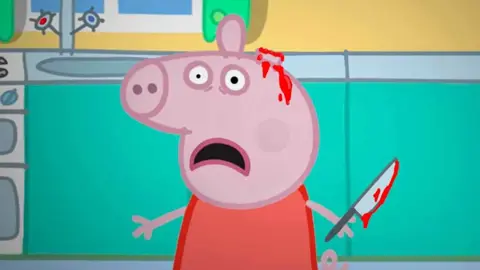
Journalist Harry Wallop conducted an experiment using a device devoid of personal data. He began by watching child-friendly videos such as “Peppa Pig” and “Cocomelon.” Within a single day, the platform began recommending distorted and alarming videos, including clips featuring children's characters in violent scenarios with disturbing visuals.
The suggested content ranged from AI-generated scenes depicting violence and risky behaviors to unusual images of sports figures and celebrities. Experts have described this material as shocking and particularly appealing to children due to its rapid pace and visual effects, especially in the format of “Shorts” clips.
Experts cautioned that such exposure could negatively impact children's mental health and behavior. They noted that YouTube's algorithms struggle to effectively differentiate between safe and harmful content, while many children continue to use the main app instead of “YouTube Kids,” thereby increasing their risk of encountering inappropriate material.
Journalist Harry Wallop conducted an experiment using a device devoid of personal data. He began by watching child-friendly videos such as “Peppa Pig” and “Cocomelon.” Within a single day, the platform began recommending distorted and alarming videos, including clips featuring children's characters in violent scenarios with disturbing visuals.
The suggested content ranged from AI-generated scenes depicting violence and risky behaviors to unusual images of sports figures and celebrities. Experts have described this material as shocking and particularly appealing to children due to its rapid pace and visual effects, especially in the format of “Shorts” clips.
Experts cautioned that such exposure could negatively impact children's mental health and behavior. They noted that YouTube's algorithms struggle to effectively differentiate between safe and harmful content, while many children continue to use the main app instead of “YouTube Kids,” thereby increasing their risk of encountering inappropriate material.