UNESCO Recognizes Moroccan Caftan as Intangible Cultural Heritage
December 10, 2025229 ViewsRead Time: 2 minutes
Font Size
16
During a meeting in India today, the Intangible Cultural Heritage Committee of UNESCO announced the addition of the Moroccan caftan to its list of intangible world heritage. This decision recognizes the caftan as a significant element of shared global heritage.
The Moroccan government expressed its approval of the decision, viewing it as a testament to ongoing efforts to safeguard and promote national heritage. The registration documentation detailed the caftan's evolution and highlighted the rich artisanal skills involved in its creation over centuries.
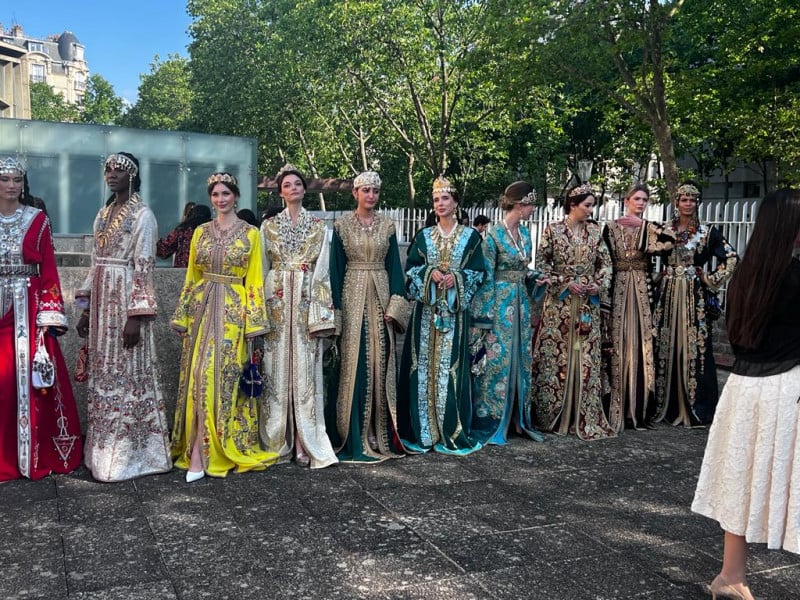
According to the statement, the caftan transcends being merely a traditional garment; it serves as a living emblem of Moroccan identity, having been passed down through generations for over eight centuries and encapsulating a wealth of social and cultural history.
Notably, the caftan is known for its technical and artistic qualities, gaining admiration both within Morocco and internationally, particularly among Moroccan expatriate communities.
This traditional attire is typically worn during official, religious, and family events and plays a vital role in wedding ceremonies and major celebrations. Made from materials such as silk, velvet, or lace, caftans are often embellished with gold or silver threads and may feature sparkling stones, showcasing the diverse artisanal traditions across various Moroccan regions.
The recognition of the caftan continues a trend of international acknowledgment of Morocco's rich heritage, following previous listings that included Gnawa music, the art of Tbourida, and the couscous dish in UNESCO's intangible heritage lists, illustrating the cultural diversity of the kingdom.