U.S. Authorizes Oil Production in Venezuela Following Maduro's Capture
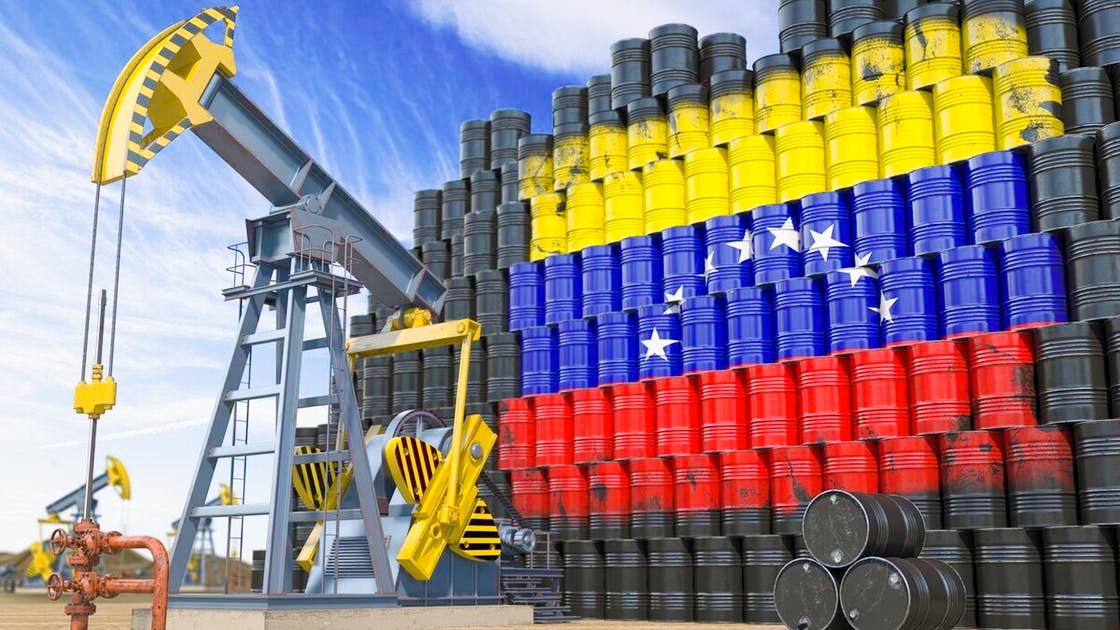
Sources indicate that the U.S. government is preparing to issue a general license permitting American companies to engage in oil and gas production in Venezuela. This initiative follows the capture of President Nicolás Maduro during a U.S. operation last month, and aims to boost oil output in the OPEC member nation.
The Office of Foreign Assets Control within the Treasury Department is expected to authorize companies to explore and extract crude oil and natural gas. This follows a prior license that allowed for the sale, storage, and refining of Venezuelan oil.
The Treasury Department has also issued a separate license permitting the sale of American diluents, which are necessary for processing Venezuelan heavy oil into a form suitable for export.
White House spokesperson Taylor Rogers stated that the administration is working diligently to facilitate investments by American oil companies in Venezuela's oil infrastructure.
U.S. President Donald Trump confirmed that the U.S. will oversee oil sales and revenues indefinitely following Maduro's capture on January 3. Trump indicated that the U.S. plans to invest $100 billion to restore Venezuela's energy sector to its historical levels, with profits to be shared among Venezuelans, American companies, and the U.S. government.
This announcement comes as Venezuelan oil production has sharply declined, falling to under one million barrels per day from previous highs of three million barrels per day, primarily due to neglect, mismanagement, lack of investment, and long-standing sanctions.
In a practical measure to secure oil supplies, Washington and Caracas reached an agreement last month for the sale of 50 million barrels of Venezuelan oil, to be marketed by European trading firms Vitol and Trafigura.
Shipping data revealed that Venezuelan oil exports increased to approximately 800,000 barrels per day in January, up from 498,000 barrels in December.
This development signifies a substantial shift in U.S. policy towards Venezuela, potentially paving the way for significant foreign investment in the energy sector and hopes of restoring Venezuela to its former status as a leading global oil producer.