Study Highlights Risks of Smartphone Use in Children Under 12
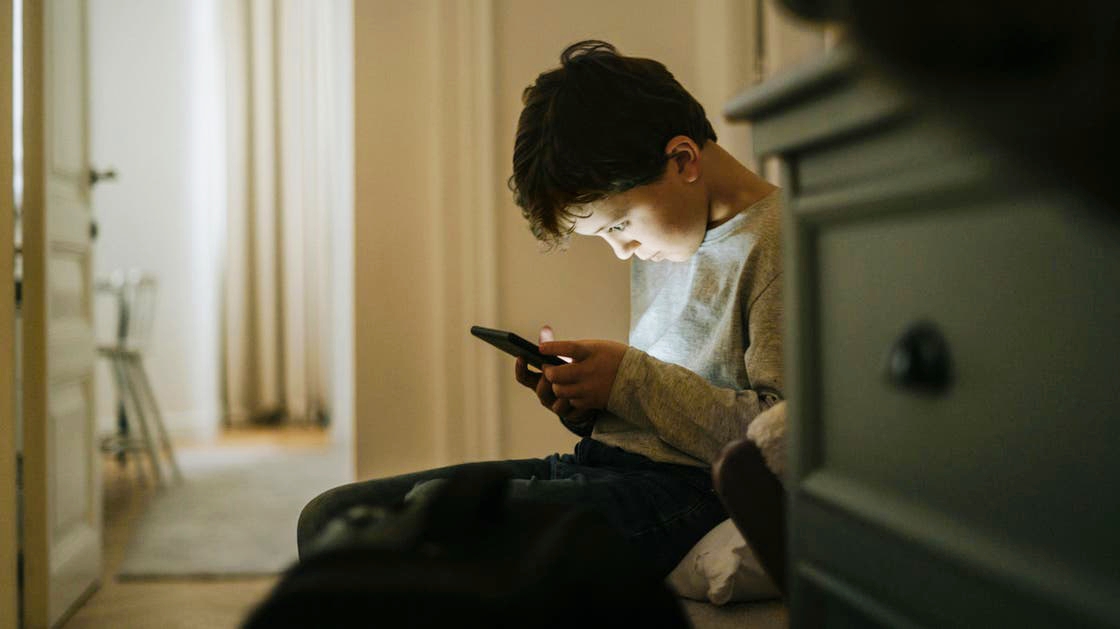
A recent study has raised concerns about the impact of smartphones on children under the age of 12, revealing significant negative effects on both physical and mental health.
Ran Barzilay, a psychiatry professor at the University of Pennsylvania and a father of three, has decided against giving his children phones until they reach 12 years old. His stance is informed by preliminary findings from his research on screen time and adolescent health.
* Early Smartphone Use and Health Risks
Barzilay's research, which involved over 10,500 children across 21 locations in the United States, found that children who received smartphones at age 12 were 60% more likely to experience sleep disturbances and 40% more likely to be classified as obese compared to those who received phones at age 13.
Barzilay emphasized: "This issue is critical," noting that earlier studies have linked smartphone use to declines in concentration, memory, and overall mental well-being among adolescents.
* Addiction and Psychological Risks
A significant study published in the JAMA journal found that heavy smartphone use among adolescents is correlated with a two to threefold increase in suicidal thoughts and behaviors when compared to peers with lower usage levels.
The study also outlined specific risks associated with different types of electronic activities:
• Children who engage extensively in video gaming face heightened risks of anxiety and depression.
• Frequent social media users are more likely to exhibit rule-breaking behaviors, including aggression and delinquency.
June Xiao, a professor of population health sciences at Weill Cornell Medicine, stated:
"Certain groups are more susceptible to suicidal thoughts and behaviors linked to electronic platforms, necessitating further research to uncover the underlying causes."
* Social Media's Impact on Learning and Focus
Another study indicated that children aged 9 to 13 who heavily use social media tend to perform worse in various cognitive tasks, including:
• Oral reading
• Image sequence memory
• Vocabulary assessments
Researcher Jason Nagata from the University of California noted that these performance differences could translate to a drop in academic grades, suggesting that social media may displace more beneficial learning activities.
* Findings from 2025 Studies
Recent studies conducted in the latter half of 2025 reaffirmed that early smartphone access and excessive screen time adversely affect:
• Cognitive abilities (including slower processing speeds and diminished attention)
• Mental health (with rising rates of depression and anxiety)
• Quality of sleep
* Conclusion:
Providing smartphones to children before age 12 poses significant risks, potentially jeopardizing their physical, mental, and cognitive health.