Storm 'Byron' Impacts Middle East: Flood and Wind Warnings Issued
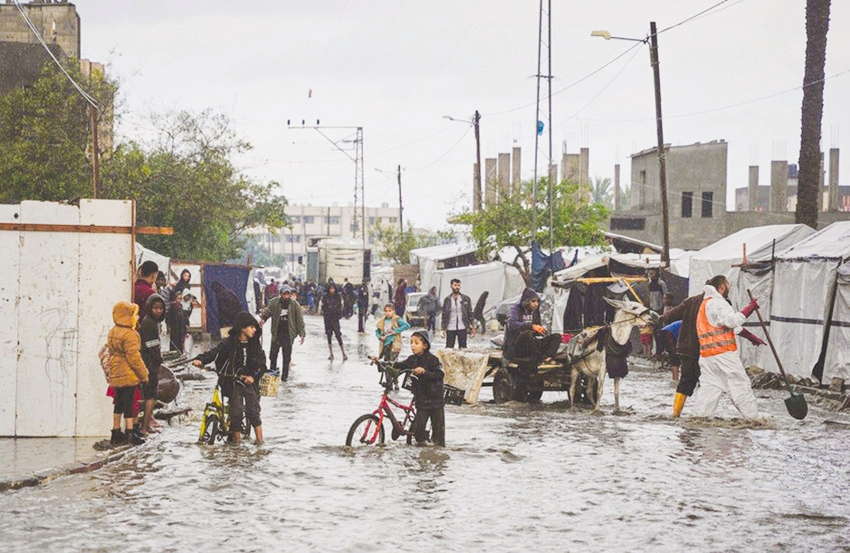
Storm 'Byron' is advancing toward the Middle East, anticipated to have a significant impact on several countries in the region within the next 24 hours. Authorities have issued severe warnings regarding heavy rainfall, strong winds, and the potential for flooding.
Weather forecasts suggest that the storm will primarily affect the eastern Mediterranean, while its indirect effects will extend to Gulf nations, particularly in the northern Arabian Gulf. Increased wind activity and rough seas are expected, along with a slight decrease in temperatures.
* Impact of the Storm in the Middle East:
• Greece and Cyprus: The storm has already caused extensive damage in both nations, leading to severe flooding that has impacted various regions, including military bases and critical infrastructure.
• Jordan and Palestine: Jordan is bracing for a cold air mass, with heavy thunderstorms likely to result in flash floods, particularly in the Jordan Valley and Dead Sea areas. Palestinian authorities have declared a state of alert in preparation for possible sudden flooding.
• Lebanon and Syria: Flood risk warnings have been issued for desert regions and riverbeds, with potential road closures and power outages in some affected areas.
* Preventive Actions:
Local authorities across the impacted countries have heightened their alert levels, implementing measures to protect essential infrastructure such as roads, electricity, and public facilities to mitigate potential damage.
Warnings have been intensified for residents and tourists, especially in low-lying areas and valleys, to avoid risks associated with flooding and landslides.
* Ongoing Effects of the Storm:
The adverse effects of storm 'Byron' are expected to last until the end of the week, urging residents to exercise caution and avoid areas prone to water accumulation, particularly during peak times on Wednesday and Thursday evenings.
Stormy conditions will continue to affect low-lying regions, as meteorological agencies maintain continuous monitoring and issue weather warnings.