Understanding the Risks of PDF Files: A Growing Threat to Data Security
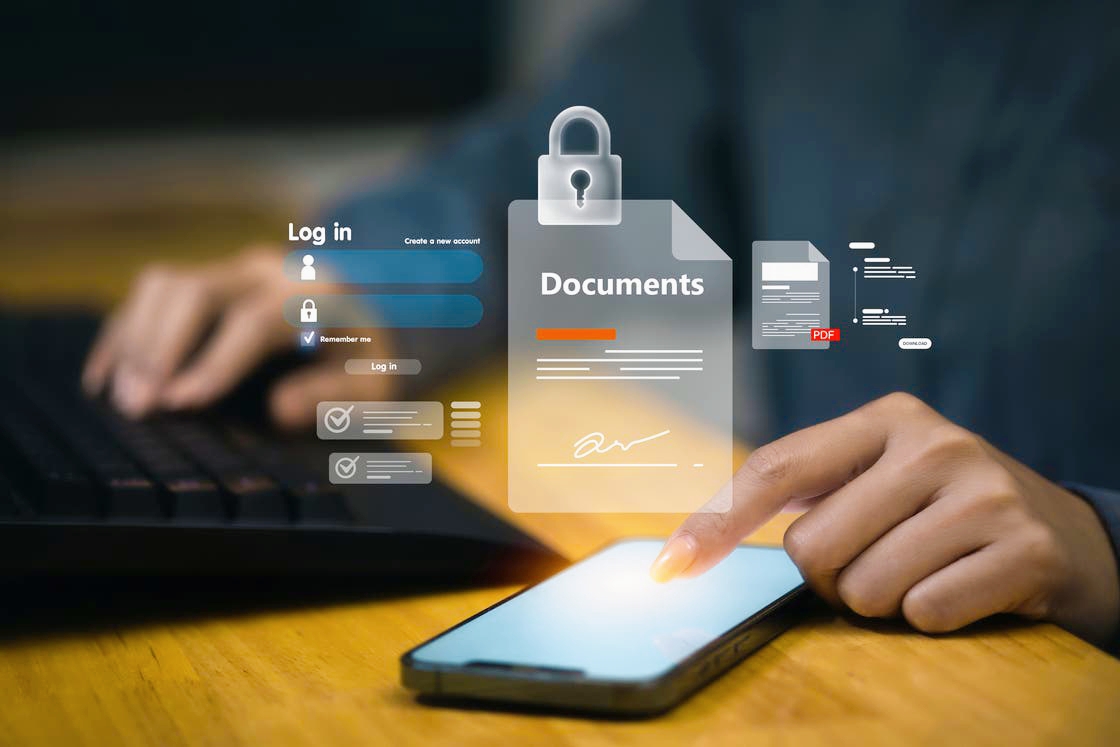
Recent trends indicate a surge in cyberattacks utilizing PDF files, taking advantage of the inherent trust users have in these documents, particularly within governmental, educational, media, and financial sectors.
Although PDF files are typically perceived as "read-only," they can serve as gateways for breaches when manipulated with malicious intent.
* Mechanisms of Attack
Dr. Mohamed Mohsen Ramadan, head of the Artificial Intelligence and Cybersecurity Unit at the Arab Center for Research and Studies, explains that "attacks involving PDF files often exploit vulnerabilities in document reader software or embed harmful codes within the file itself. This may include embedded JavaScript, concealed links, deceptive interactive forms, or even attached files, all executed without the user's awareness once the document is opened."
* Deceptive Communications
Ramadan notes that these attacks frequently originate from seemingly legitimate emails that contain malicious PDF files or links, designed to steal sensitive information or install malware.
Cybercriminals often employ social engineering tactics, impersonating banks, well-known companies, or government agencies, using urgent language to prompt victims to open the file without verifying its authenticity.
* Common Scam Techniques
Major General Abu Bakr Abdel Karim, a former Assistant Minister of Interior in Egypt, identifies several prevalent scam techniques involving PDF files:
• Interactive forms requesting sensitive information.
• Hidden malicious scripts behind seemingly normal buttons and links.
• Fake attachments masquerading as documents from reputable companies.
• Fraudulent websites distributing harmful PDF files.
• Advanced methods like fake CAPTCHA or static images designed to mimic video content, misleading users into interaction.
* Challenges in Detection
Abdel Karim emphasizes that the sophistication of these attacks complicates detection; documents are often meticulously crafted, devoid of errors, and feature authentic logos, making it difficult for even seasoned users to identify fraud.
* The Reality of Malicious Files
Ramadan adds that PDF files can harbor various types of malware, including:
• Destructive software that can erase or corrupt data.
• Trojans designed to monitor devices and extract information.
• More sophisticated software that grants attackers full control over the device.
Typically, the attack begins with a message that appears to originate from a trusted source. Once the PDF file is opened, one of two scenarios may unfold:
1 _ The user is misled into providing banking information or logging in.
2 _ Malicious codes are executed that exploit vulnerabilities in the PDF reader, allowing unauthorized access to the system.
In many instances, the consequences extend beyond data theft to include identity theft or financial fraud.
* Protective Measures
Abdel Karim recommends the following precautions for individuals and organizations:
• For individuals: Refrain from opening attachments from unknown sources, verify the sender's identity, avoid suspicious links, keep PDF reader software up to date, and disable code execution within files.
• For organizations: Establish stringent document management protocols, utilize advanced security solutions, and train employees to recognize fraud attempts.
The PDF threat exemplifies the evolving landscape of digital risks, underscoring the need for ongoing vigilance and a comprehensive understanding of cyberattack methodologies.