Exploring the Deeper Meanings in 'SpongeBob SquarePants': A Look at Psychological Themes and Character Archetypes
January 15, 202628 ViewsRead Time: 2 minutes
Font Size
16
Since its debut in 1999 on Nickelodeon, the animated series 'SpongeBob SquarePants' has captivated audiences for over 25 years, sparking discussions about its deeper meanings beyond mere children's entertainment.
Analyses suggest that the cheerful escapades in Bikini Bottom are layered with psychological symbols and character traits that reflect complex human behaviors, often unnoticed by younger viewers.
Analyses suggest that the cheerful escapades in Bikini Bottom are layered with psychological symbols and character traits that reflect complex human behaviors, often unnoticed by younger viewers.
Continued Popularity and New Episodes
'SpongeBob' is set to launch its sixteenth season later this year, having produced over 300 episodes and five feature films, the most recent being 'SpongeBob: Sponge on the Run'.
As audiences revisit earlier episodes, many have begun to notice intricate details, cultural references, and intriguing secondary characters that alter their viewing experience.
Linking Characters to the Seven Deadly Sins
A social media user named Alice sparked renewed interest in a theory suggesting that the main characters in 'SpongeBob' represent the seven deadly sins. Alice noted:
"I discovered that the creators have acknowledged this idea. Their intention was not to deliver a direct moral lesson to children, but to weave in a psychological depth that resonates with adults on a subconscious level."
Character Representations
According to this interpretation, the main characters symbolize exaggerated human archetypes:
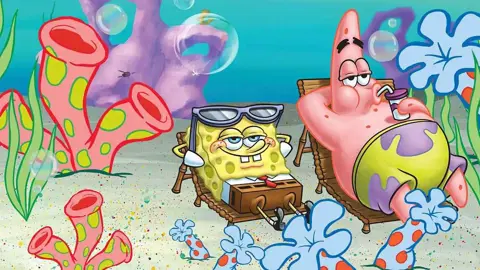
Patrick Star: represents laziness and idleness, living under a rock without ambition.
Mr. Krabs: embodies greed and avarice, prioritizing money above all else.
Plankton: symbolizes envy, fixating on what others possess instead of self-improvement.
Squidward: reflects repressed anger and chronic dissatisfaction with life.
Sandy Cheeks: stands for pride and the desire to excel.
SpongeBob: illustrates a symbolic form of lust, characterized by an overwhelming desire to give and please others.
Pearl: Mr. Krabs' daughter, is seen as a symbol of gluttony due to her voracious appetite and rapid growth.
Human Behaviors, Not Villainy
Alice emphasizes that these characters do not represent evil but rather mirror everyday human behaviors in an exaggerated, cartoonish manner, adding new dimensions to the series as viewers mature.
Was the Series Intended for Adults?
Many TikTok users argue that 'SpongeBob' was crafted not just for children but also for adults, embedding psychological nuances and indirect messages that explain its lasting cultural significance across generations.
This trend is not unique; numerous classic children's shows, like 'Adventure Time', also incorporate deeper or darker themes alongside entertainment.
Enduring Appeal
The success of 'SpongeBob SquarePants' appears to stem from its unique ability to engage both children and adults, blending lighthearted comedy with profound themes, securing its place as one of the most influential animated series in television history.