Maduro Claims Resilience from Brooklyn Prison Amid Political Changes in Venezuela
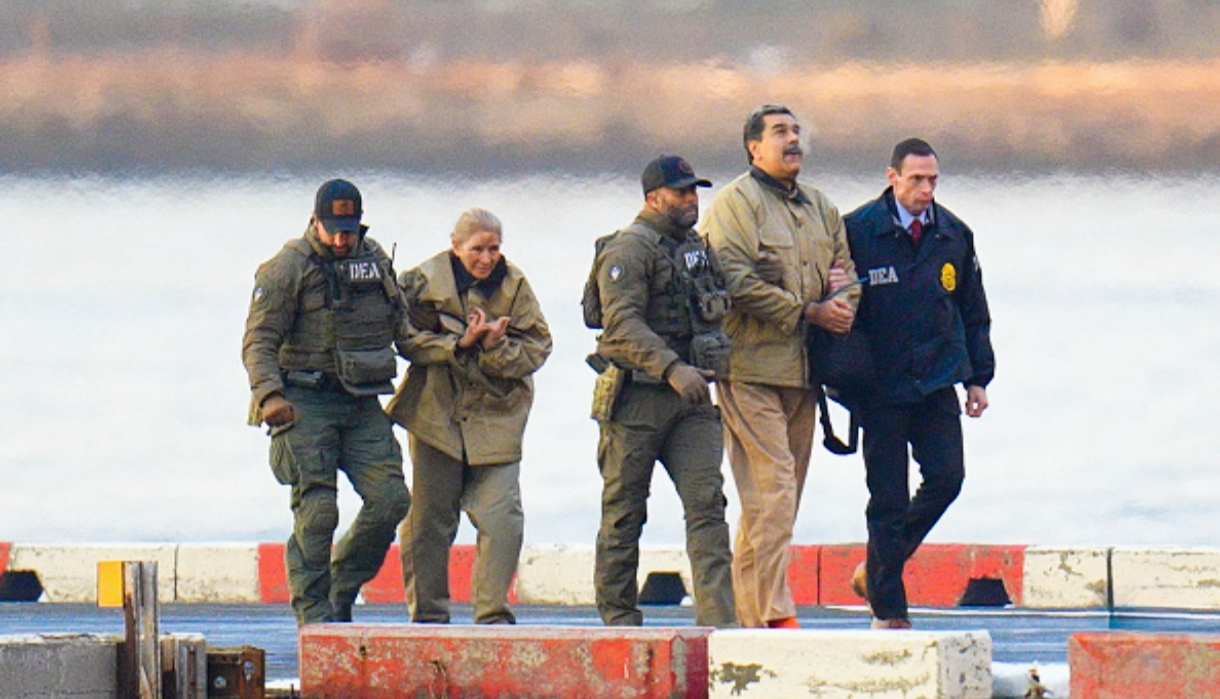
Venezuelan President Nicolás Maduro, currently incarcerated in Brooklyn, conveyed through his son, Nicolás Maduro Guerra, that he is in good spirits and remains resilient. Guerra reported that lawyers informed him of his father's well-being, quoting Maduro as saying: "We are not sad, we are fine, we are fighters," also mentioning his wife, Cilia Flores.
* Release of Political Prisoners
In a significant development, Venezuelan authorities have begun releasing political prisoners, including a member of the opposition party, Maria Corina Machado. This follows Maduro's capture by U.S. forces on January 3.
The human rights organization "Foro Penal" announced on the X platform that five individuals were released, including Berjilio Laperdi, the youth coordinator for the "Pente Venezuela" party in Bolívar state. This release aligns with the opposition's demands following Maduro's arrest, and National Assembly President Jorge Rodríguez emphasized that releasing a substantial number of prisoners would be a gesture of peace.
* Diplomatic Talks Between Washington and Caracas
Despite Maduro's detention, the Trump administration has indicated a willingness to engage with the transitional authorities that have taken over. Diplomatic discussions aimed at restoring relations severed in 2019 have commenced between U.S. and Venezuelan diplomats.
Caracas confirmed that these talks began, with Washington noting that its delegation departed as planned, underscoring that the U.S. is maintaining close communication with the transitional authorities.
* Venezuelan Oil at the Center of Attention
U.S. President Donald Trump reiterated interest in Venezuela's oil resources following Maduro's ousting and signed an executive order to safeguard funds from oil sales.
Interim President Delsy Rodríguez has committed to collaborating with Washington on oil matters while asserting her refusal to "submit" to U.S. influence, aiming to consolidate support among her domestic followers.
These developments highlight the intersection of Venezuelan domestic politics with international relations, marking a critical and sensitive phase in the country's political landscape.