Study Compares Human and AI Creativity, Revealing Surprising Insights
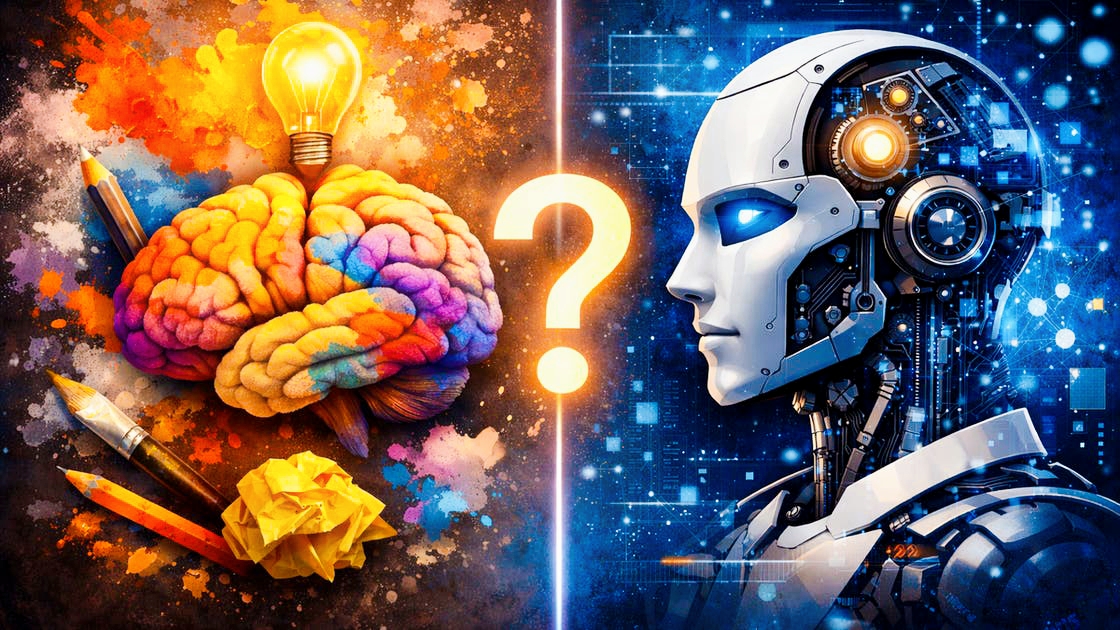
In a groundbreaking study conducted by researchers at the University of Montreal, the creative abilities of humans were compared to those of advanced generative AI models, marking the largest investigation of its kind.
The research involved over 100,000 human participants and assessed AI models including ChatGPT, Claude, and Gemini.
To objectively gauge creativity, the team employed the Divergent Association Task (DAT), a psychological assessment that challenges individuals to generate 10 unrelated words within a 4-minute timeframe; a lower degree of relatedness among the words indicates higher creativity.
The same task was also administered to the AI models.
The findings revealed that while large language models outperformed most human participants, approximately half of the human subjects surpassed the AI, with the top 10% demonstrating exceptional creativity.
Professor Karim Jerbi from the university's Department of Psychology remarked that this research "encourages a reevaluation of our understanding of creativity and suggests that AI may serve as a collaborative tool for human creativity rather than a direct rival."
Despite the extensive nature of the study, the researchers acknowledged limitations in the metrics used, particularly given the complexities involved in measuring human creativity compared to AI models. Nonetheless, the results suggest promising opportunities for collaboration between humans and AI in creative sectors.