Severe Flooding in Indonesia and Sri Lanka Claims Over 1,400 Lives
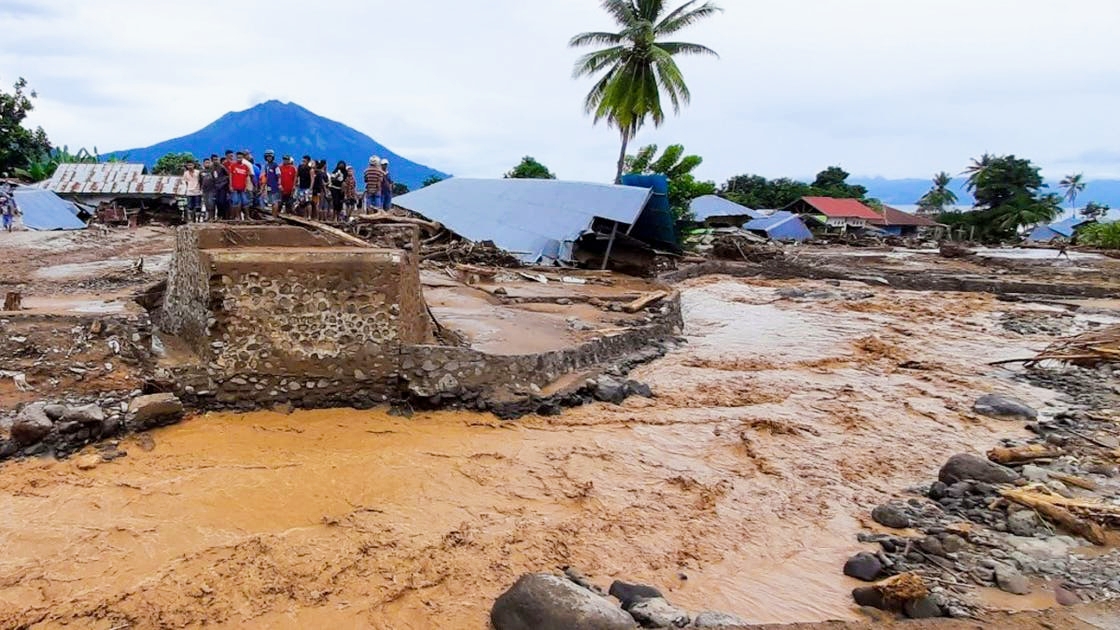
Catastrophic flooding and landslides in Indonesia and Sri Lanka have led to over 1,400 deaths, raising alarms among scientists regarding the influence of climate change on extreme weather events.
In the past few weeks, two tropical storms have impacted the region, bringing unprecedented rainfall that has triggered widespread landslides and flooding.
Reports indicate that more than 600 individuals have died in Sri Lanka, while approximately 1,000 fatalities have been recorded in Indonesia, alongside thousands of injuries and hundreds reported missing.
A rapid assessment by an international team of scientists has identified heavy rainfall and elevated sea temperatures linked to climate change as primary contributors to the disaster, alongside seasonal weather patterns such as "El Niño" and "the Indian Ocean Dipole".
Maryam Zakaria, a researcher at Imperial College London and co-author of the study, noted, "Climate change significantly contributes to the extreme precipitation we are observing," highlighting that current scientific models have not yet fully captured the complexities of how global warming interacts with local weather phenomena.
The study further indicates that global warming has intensified rainfall patterns in the region over recent decades and has contributed to rising sea surface temperatures, potentially heightening the severity of future storms.
Zakaria pointed out that in the Strait of Malacca, between Malaysia and Indonesia, extreme rainfall has surged by 9 to 50% due to climate change, while Sri Lanka has seen an increase in heavy rainfall intensity ranging from 28 to 160%.
Besides climate change, factors such as deforestation and geographical conditions that funnel rain into densely populated areas, along with the timing of rainfall coinciding with local wind patterns, have exacerbated the disaster, which scientists describe as "nearly unprecedented".
Experts caution that human-induced climate change will likely result in more frequent and severe extreme weather events, underscoring the urgent need for preparedness to mitigate future disasters.