Cortisol: Understanding the 'Stress Hormone' Amid Online Trends
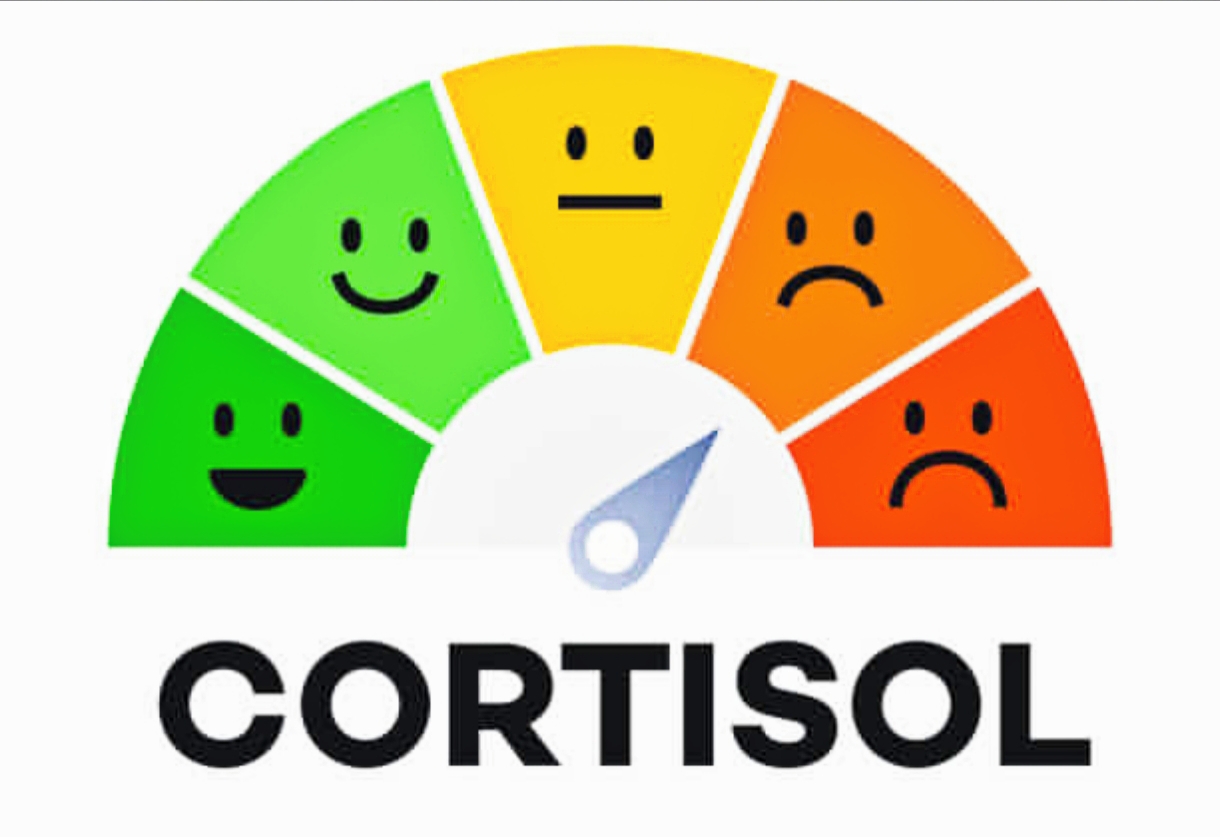
Recently, social media has seen a surge of interest in cortisol, commonly known as the "stress hormone," as it gains traction among health influencers and online wellness advocates.
These influencers have highlighted potential symptoms associated with elevated cortisol levels, including insomnia, facial swelling referred to as "cortisol face," and abdominal weight gain, while also offering dietary tips and exercise routines purported to help reduce cortisol.
However, medical professionals caution: this trend may be misleading, and individuals should be wary of unverified supplements and advice.
* The Role of Cortisol
Experts in endocrinology emphasize that cortisol is essential for various bodily functions, produced by the adrenal glands located above the kidneys.
Cortisol is crucial for regulating inflammation, immune response, metabolism, blood pressure, and other vital processes. Its levels fluctuate throughout the day, peaking in the morning and declining at night, with additional increases during periods of stress or illness.
Dr. Roberto Salvatore, an endocrinologist at Johns Hopkins University, stated:
"Cortisol levels are finely tuned and can change minute by minute... it is uncommon for a health issue to arise solely from cortisol levels."
He noted that chronic low cortisol is often linked to conditions like adrenal insufficiency, such as Addison's disease, while significantly elevated levels may indicate Cushing's syndrome, typically caused by benign tumors in the adrenal or pituitary glands, which can be managed through medication, surgery, or a combination of both.
* The Importance of Medical Guidance
Healthcare providers have advised against conducting cortisol tests independently, as symptoms of high or low cortisol can overlap with various other health issues, including fatigue, weight fluctuations, hypertension, sleep disturbances, and excessive hair growth in women.
Dr. Katie Guttenberg, an endocrinologist in Houston, remarked:
"Interpreting cortisol levels involves many nuances, and I worry that patients may seek tests on their own. A single blood test rarely provides comprehensive insights and could lead to unnecessary worry."
* Caution Regarding Supplements
Despite the promotion of supplements such as ashwagandha and magnesium by some influencers as methods to lower cortisol, medical experts assert that there is no validated treatment available without a prescription.
Excessively reducing cortisol may lead to serious health complications, warranting caution.
Dr. Salvatore also mentioned a condition known as "pseudo-Cushing's syndrome," which, while less severe, can produce similar symptoms due to factors like alcohol dependence or other chronic issues, without the presence of a tumor.
* Conclusion: Prioritize Fundamental Health Practices
Experts advise focusing on fundamental stress management strategies rather than fixating on cortisol levels:
ensuring adequate sleep, maintaining a balanced diet, engaging in regular physical activity, and seeking psychological support when necessary.
Cortisol should not be viewed as an adversary but rather as a crucial ally—avoid letting trends dictate your health choices.