Bulgaria Set to Adopt Euro Amid Economic and Political Challenges
December 28, 2025301 ViewsRead Time: 2 minutes
Font Size
16
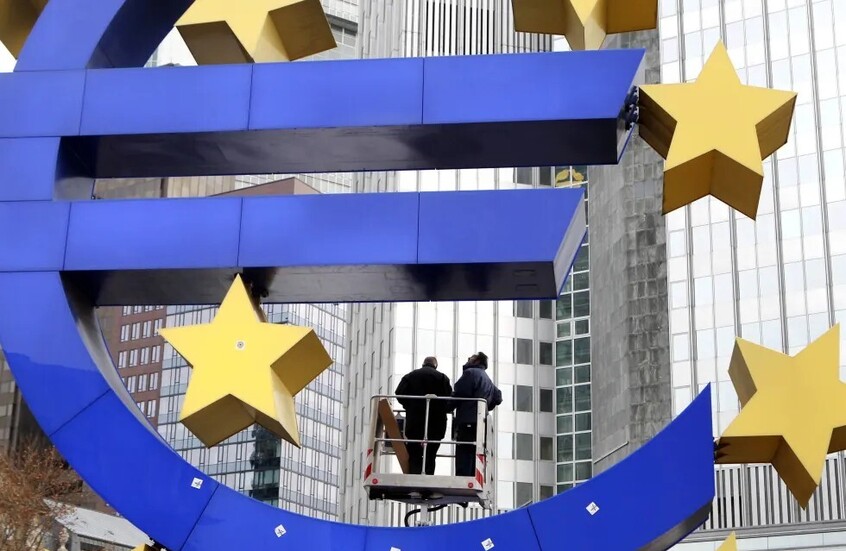
Bulgaria will officially adopt the euro next Thursday, marking its entry into the Eurozone as the 21st member to embrace the single European currency. This decision has raised concerns among some experts about potential inflation and political instability in the nation.
Christine Lagarde, President of the European Central Bank, stated that the economic advantages of euro adoption would be substantial, noting improvements in trade facilitation, reduced financing costs, and enhanced price stability. She mentioned that small and medium-sized enterprises could save approximately 500 million euros in foreign exchange fees, and any price impacts are expected to be "slight and short-lived," based on the experiences of other EU nations, which saw increases ranging from 0.2 to 0.4 percentage points.
Georgi Angelov, chief economist at the Open Society Institute in Sofia, indicated that Bulgaria's entry into the monetary union would enable greater participation in decision-making processes, increase transparency, and improve price comparisons with other EU countries. However, he stressed the necessity of a stable government for at least a year to fully realize the benefits of Eurozone membership.
This move follows Croatia's recent adoption of the euro in 2023. Nevertheless, it has sparked public protests advocating for the retention of the Bulgarian lev, particularly in rural regions, where a Eurobarometer survey revealed that 49% of citizens are against the transition to the euro.
Bulgaria, home to 6.4 million people, is grappling with significant economic and political hurdles, including rising food prices and the fallout from anti-corruption protests that resulted in the previous coalition government being ousted, with new parliamentary elections anticipated in the near future.
Prior to the euro's official adoption, Bulgaria experienced a 5% year-on-year increase in food prices in November 2025, significantly surpassing the Eurozone average, while real estate prices surged by 15.5% in the second quarter, three times the EU average.
In response to public apprehension, the Bulgarian parliament has reinforced regulatory bodies to manage sudden price increases and prevent any unjustified hikes associated with the euro transition.