Quadrantids Meteor Shower Lights Up Oman's Sky
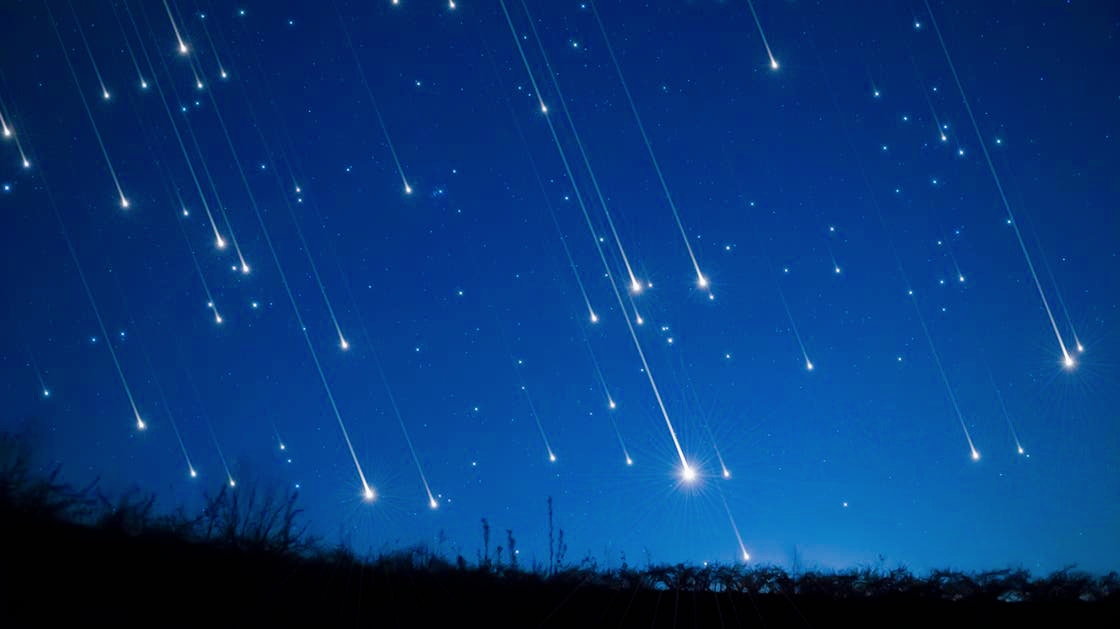
The Sultanate of Oman witnessed a stunning astronomical display on the night of Friday into Saturday, as the Quadrantids meteor shower graced the sky. This meteor shower is recognized as one of the most intense of the year, marking the arrival of the new year with a spectacular show.
Wisal bint Salem Al-Hinai, Deputy Chair of the Community Communication Committee at the Omani Astronomical and Space Society, noted that the Quadrantids are characterized by their remarkable activity and a brief peak lasting only a few hours. Under optimal viewing conditions, observers could see as many as 120 meteors per hour, according to the Oman News Agency.
* What causes the meteors?
The Quadrantids meteors originate from a celestial body known as 2003 (EH 1), a small asteroid classified among near-Earth objects. This asteroid is believed to be the remnant of an ancient comet that has become inactive over time.
This body was discovered in 2003 and has a highly elongated orbit around the sun, taking approximately 5.5 years to complete one cycle, which subjects it to significant thermal fluctuations.
Al-Hinai explained that the particles from the Quadrantids meteor shower are denser and more solid compared to those from most active comets. This density contributes to the meteors' brightness and the brief duration of their peak, as the associated dust stream is both narrow and concentrated.
* Features of the Quadrantids
The Quadrantids meteors are notable for their high velocity and striking brightness, often appearing in bluish-white hues. Some meteors may leave behind short, smoky trails that dissipate within seconds, captivating viewers with the beauty of the night sky.
This event offers astronomy enthusiasts and sky watchers a rare chance to witness an extraordinary celestial phenomenon at the start of the new year, set against the enchanting backdrop of the Sultanate of Oman.