UNESCO Recognizes Moroccan Caftan as Intangible Cultural Heritage
December 10, 2025228 VistasTiempo de lectura: 2 minutos
Tamaño de fuente
16
During a meeting in India, the UNESCO Intangible Cultural Heritage Committee announced today the inclusion of the Moroccan caftan in its list of intangible cultural heritage, recognizing this traditional garment as part of the shared human legacy.
The Moroccan government welcomed the decision, viewing it as a result of ongoing efforts to protect and preserve national heritage. The nomination dossier included documentation on the caftan's development and the rich craftsmanship associated with its creation over the centuries.
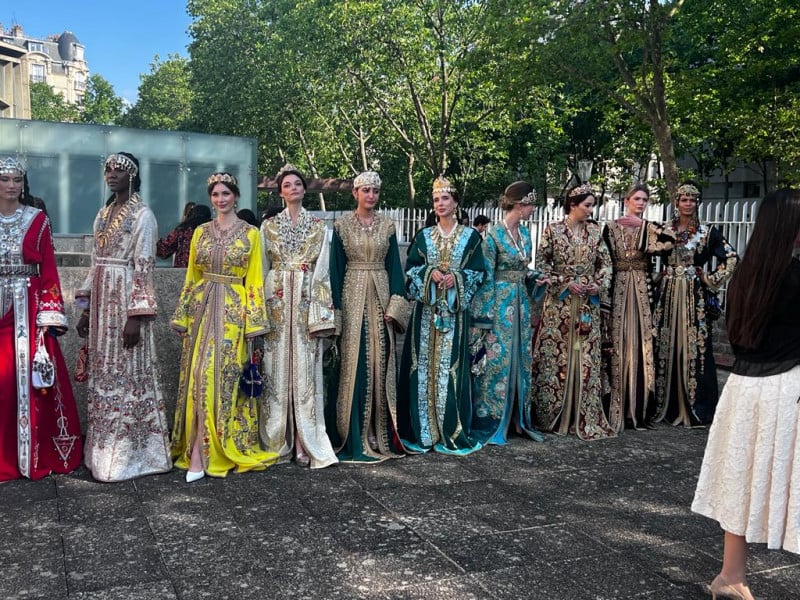
According to the statement, the caftan is not merely traditional attire but a living symbol of Moroccan identity, passed down through generations for over eight centuries, embodying accumulated social and cultural memory.
It is also characterized by its technical and artistic beauty, earning celebrations both within and outside Morocco, particularly among Moroccan communities abroad.
The caftan is worn during official, religious, and family occasions, playing an essential role in wedding rituals and major celebrations. Typically made from silk, velvet, or lace, it is often adorned with golden or silver threads and may feature sparkling stones, reflecting the diversity of artisanal traditions across various Moroccan cities.
The caftan's inclusion continues a trend of international recognition for Morocco's rich heritage, following the previous listings of Gnawa music, the art of tbourida, and couscous on UNESCO's intangible heritage lists, highlighting the cultural diversity of the kingdom.