Sudan Government Declares Full Control Over Khartoum
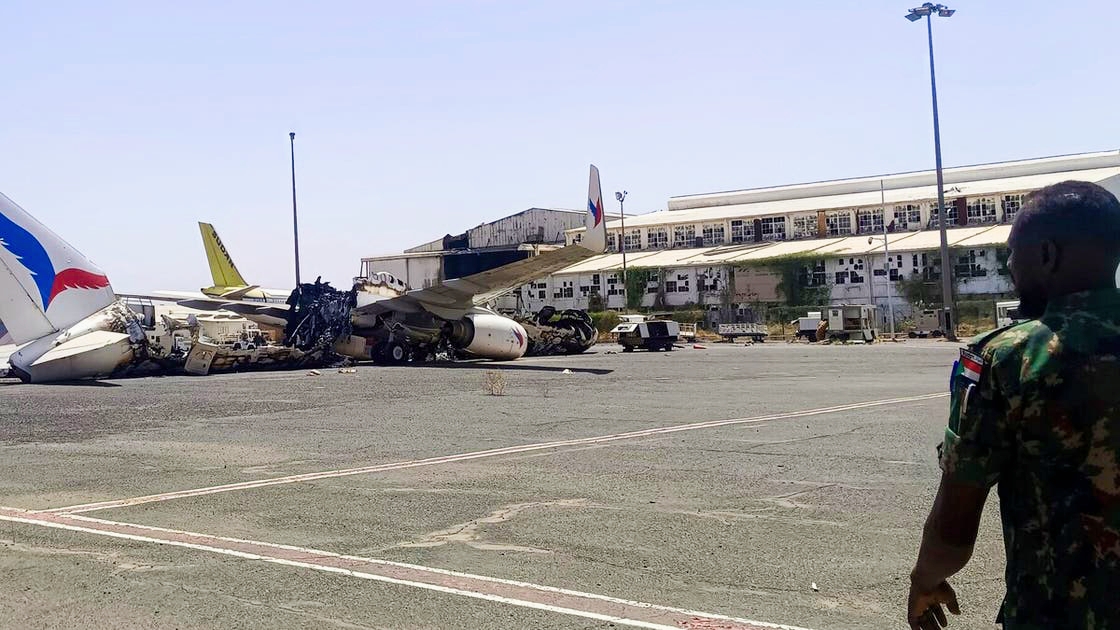
Following a few days since their official return to Khartoum, the Sudanese Sovereign Council has declared that the capital is now fully secured, as efforts intensify to restore normalcy after months of conflict.
Ibrahim Jaber, a member of the Sovereign Council, stated on Thursday that the police have fully resumed their duties and that the withdrawal of military formations from the capital has been successfully completed.
Jaber, who leads the committee tasked with preparing Khartoum for the return of its citizens, underscored the importance of residents carrying identification, highlighting the presence of numerous foreigners living illegally, and noted that the government is working on their repatriation.
Regarding essential services, Jaber confirmed that potable water supply has reached 95% of Khartoum, while electricity now covers approximately 70% of the capital, aided by the arrival of 14,000 new electrical transformers to service the remaining areas.
He added that the current focus will be on the outskirts of the capital, while substantial funding will be required for the reconstruction of central Khartoum.
Additionally, he announced that commercial air traffic at Khartoum International Airport has resumed, allowing flights to land once again.
The government had left Khartoum following the outbreak of war in April 2023, temporarily relocating to Port Sudan, but officially returned last Monday. Prime Minister Kamel Idris assured that the government’s return will be permanent, prioritizing improvements in security and essential services for citizens, particularly in health and education.
After ten months of expelling the Rapid Support Forces from Khartoum, life is gradually returning as several ministries have resumed operations in the capital over the past three months.
The conflict between the army led by Abdel Fattah al-Burhan and his former deputy Mohamed Hamdan Daglo (Hemedti) has resulted in what the United Nations describes as the world’s most severe humanitarian crisis, displacing approximately 12 million people.