Libyan Prime Minister's Wife Makes Rare Public Appearance, Sparks Debate
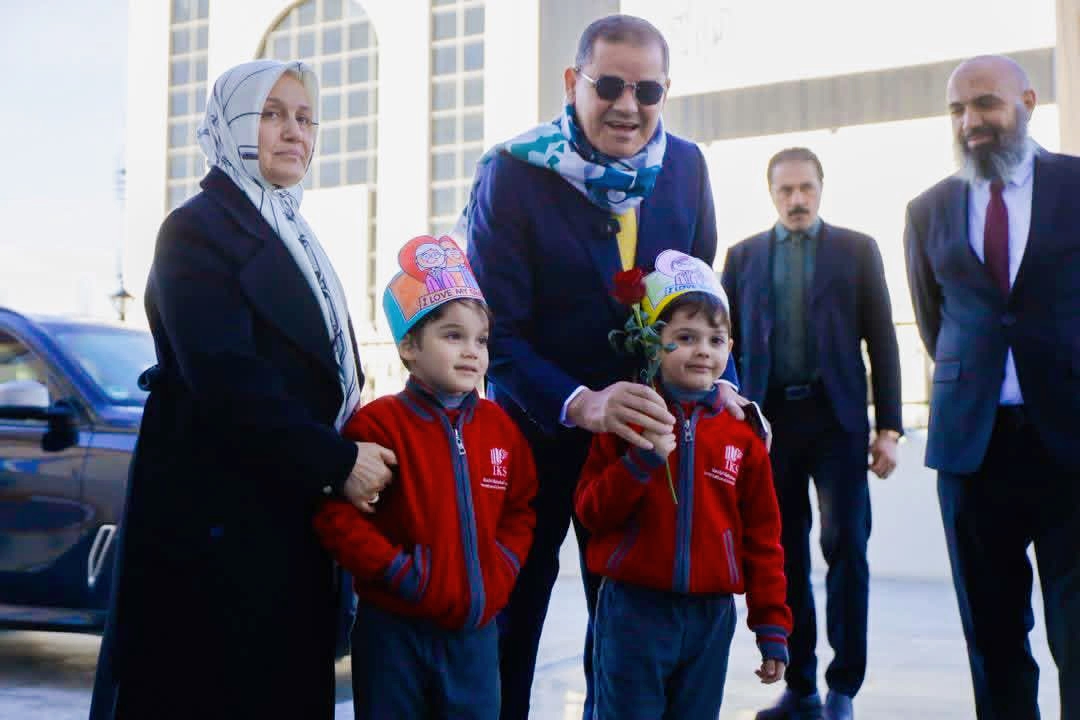
In a rare public appearance, the wife of Libyan Prime Minister Abdul Hamid Dbeibah has generated significant reactions and controversy on social media. This event is notable as it follows years of the Prime Minister keeping his family away from the media spotlight.
She appeared alongside Dbeibah last Sunday at a social event in a primary school in Misrata, where they attended a special celebration for "Grandparents' Day" with their grandchildren from the late son Abdul Rahman.
The event had a distinctly familial and human touch, quickly becoming a hot topic of public discussion.
Dbeibah is known for a political style that emphasizes his personal presence while maintaining a notable distance from media coverage of his family. This first appearance of his wife drew considerable interest, despite her identity and personal details remaining undisclosed.
The interaction extended beyond the sharing of photos and videos, sparking a deeper community debate about the roles of officials' wives and the boundaries of their participation in public life.
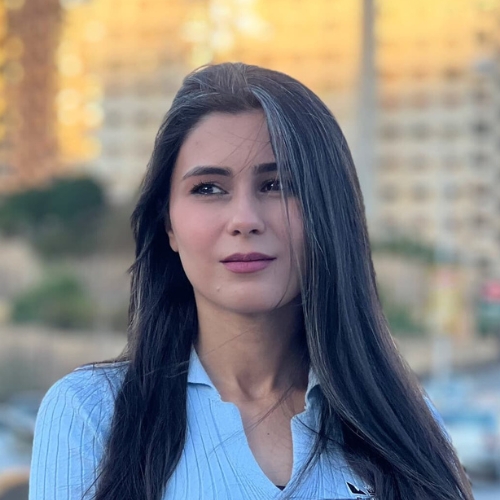
Activist Mais Al-Rim Al-Qatari remarked that the Prime Minister's wife's appearance is "not just a fleeting social presence, but a political and cultural message that reflects women's status in Libyan society, instilling confidence and inspiring their participation in public spaces."
Al-Qatari further stated, "The absence of officials' wives might indicate that the public sphere is unsafe or unprepared for women, while their presence sends a reassuring message that women have a natural and legitimate place in society."
Conversely, activist Reyhan Al-Hadi expressed that the Prime Minister's wife's public presence is "very necessary," asserting:
"I may not agree with Dbeibah as a governing figure or as a person, but the presence of his wife in social and political spheres carries undeniable positive connotations."
On the other hand, activist Ahmed Kabouti voiced a differing opinion, suggesting that "the best role for women is to step back, support their husbands and children without directly engaging in politics and its intricacies."
This intense debate highlights the diverse opinions within Libyan society regarding women's roles and the limits of their participation in public life, with some viewing them as essential partners in social and political arenas, while others prefer to keep them out of the spotlight.
Amidst the support and opposition, the appearance of Dbeibah's wife marks an exceptional event that breaks a long-standing tradition of family privacy, opening a broad space for discussion about women's representation, political symbolism, and the boundaries between private and public life in contemporary Libya.