Flight Disruptions as Protests Intensify in Iran
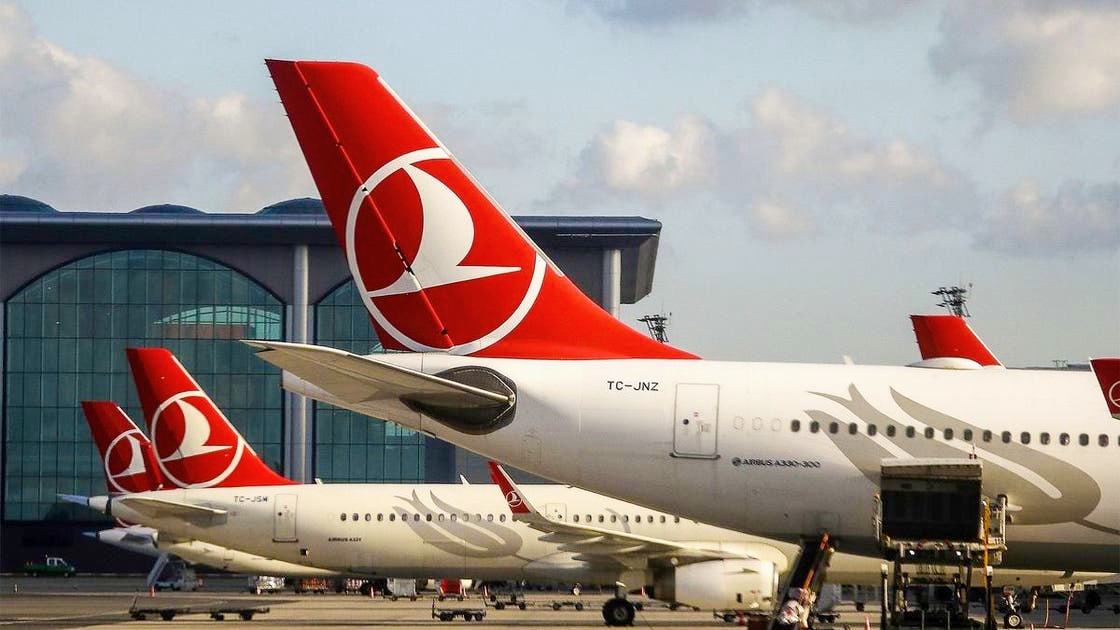
In a significant development reflecting the escalating tensions within Iran, several airlines and regional airports canceled numerous scheduled flights between Iran and Turkey and the United Arab Emirates on Friday, January 9, 2026, amid growing protests and deteriorating security and living conditions.
Turkish Airlines, the national carrier of Turkey, announced the cancellation of all five flights scheduled between Istanbul and Tehran, as indicated by the Istanbul Airport app.
Additionally, departure screens displayed the cancellation of five more flights operated by Iranian airlines on the same route, while seven flights remain scheduled as of now.
The situation extended beyond cancellations, as Iranian passengers reported via the platform "X" that planes that had already taken off towards Iran returned mid-flight. According to data from the air traffic tracking app "Flight Radar", a Turkish Airlines flight bound for Shiraz in southern Iran and another from low-cost carrier "Pegasus" heading to Mashhad in the east returned to Istanbul overnight.
In a similar context, airports in Dubai announced the cancellation of six flights scheduled for today to Iran, without providing further details on the duration of the cancellations or the destinations of upcoming flights.
So far, Turkish authorities have not issued any official comments regarding the reasons for the cancellations, as Iran experiences its thirteenth consecutive day of escalating protests, sparked by deteriorating living conditions, currency depreciation, and rising living costs.
According to reports from Reuters, there has been a complete disruption of internet services in Iran, while security forces have used tear gas and live ammunition to disperse protesters in various cities, with calls from opposition groups abroad for further protests and strikes.
The roots of these protests date back to December 28, when merchants in Tehran's bazaar initiated a strike in response to the falling exchange rate and declining purchasing power amid U.S. and international sanctions. The mobilizations quickly spread, particularly in western Iran, where there are significant concentrations of Kurdish and Lor minorities, as reported by France Presse.
It is important to note that Turkey and Iran share a land border extending approximately 500 kilometers, with three border crossings between the two countries, heightening the sensitivity of any security or political developments between them.
As unrest continues, the outlook remains uncertain, with potential for further cancellations and disruptions in air traffic, raising concerns among travelers and airlines alike.