Gold Prices Dip Amid U.S. Labor Data, Fed Rate Cut Expectations Rise
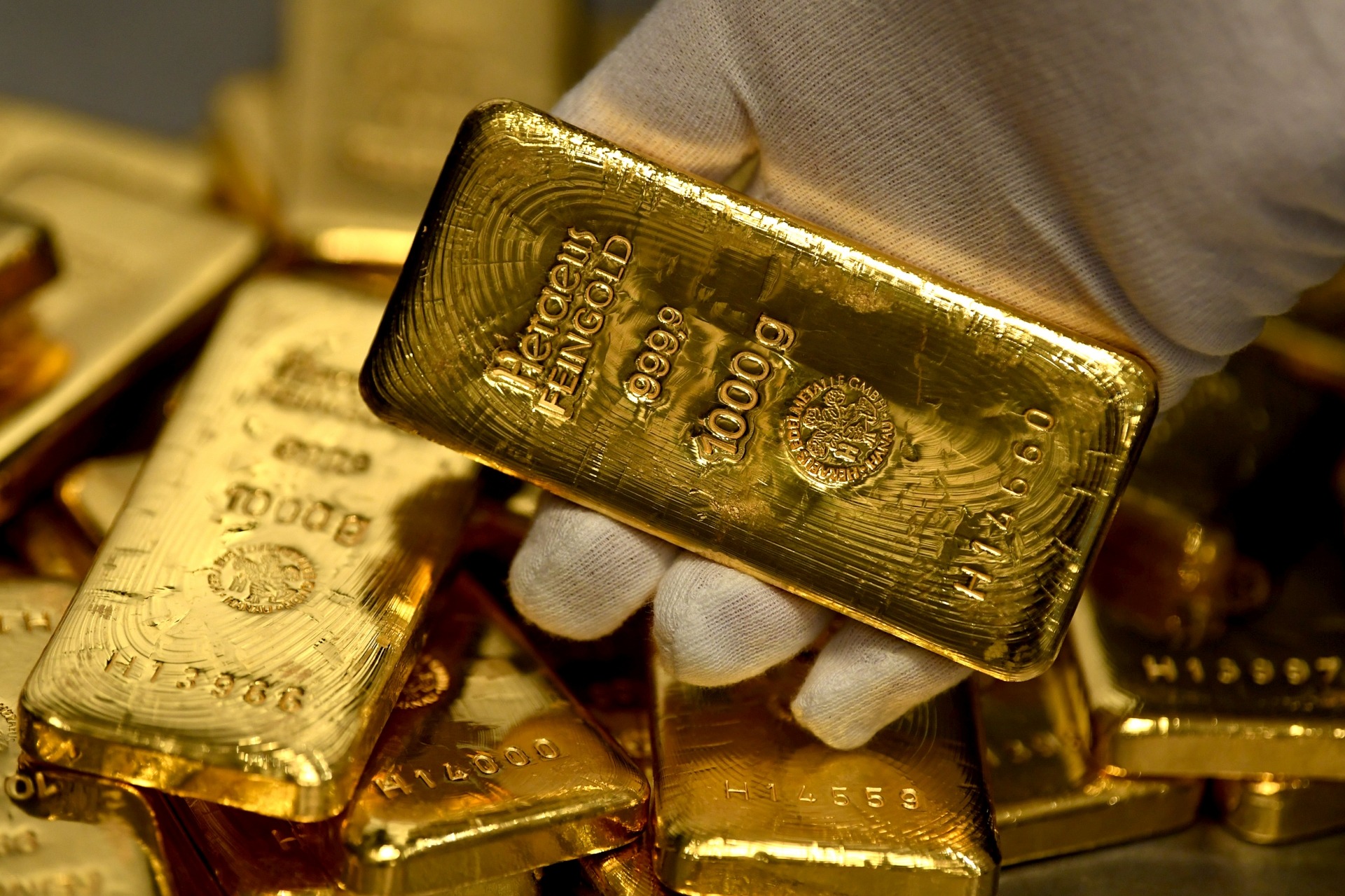
Gold prices experienced a minor decline during trading on Thursday, December 4, after U.S. labor market data strengthened expectations that the Federal Reserve will cut interest rates next week. In contrast, silver continued its upward trajectory, reaching a new record high.
This decline followed Wednesday's ADP report, which revealed that the U.S. non-farm private sector lost 32,000 jobs in November, sharply contrasting with analysts' expectations of a gain of 5,000 jobs. The market strategy head at RJO Futures commented to Reuters, "The disappointing labor data and the rise in silver prices to their highest level support gold prices."
The CME's market expectations tool indicated an increase in the likelihood of a Federal Reserve rate cut at next week's meeting to approximately 89%, reflecting a strong market inclination toward this scenario. Investors are currently awaiting the U.S. Personal Consumption Expenditures (PCE) index data for September, which is the Fed's preferred measure of inflation, scheduled for release on Friday.
Separately, silver prices have surged approximately 102% since the beginning of the year, driven by growing concerns over market liquidity following significant outflows into U.S. equities.
In terms of direct pricing, November gold futures fell about 0.2% to $4,226.10 per ounce, while spot gold also declined by 0.2% to $4,195.70 per ounce. In contrast, silver futures rose by 0.3% to $58.78 per ounce.
It is important to note that precious metals are directly influenced by U.S. monetary policy trends, as lower interest rates tend to support non-yielding assets like gold, enhancing their appeal as an investment during periods of expected monetary easing.