International Coordination Urged as New Syrian Prison Files Surface
A recent leak of a significant archive documenting the deaths of detainees in Syrian prisons has sparked controversy and discussions online. The archive contains over 70,000 images, primarily captured by Syrian military police between 2015 and 2024, revealing continued detentions, torture, and killings even after the previous international scandal known as the "Caesar Files" in 2014.
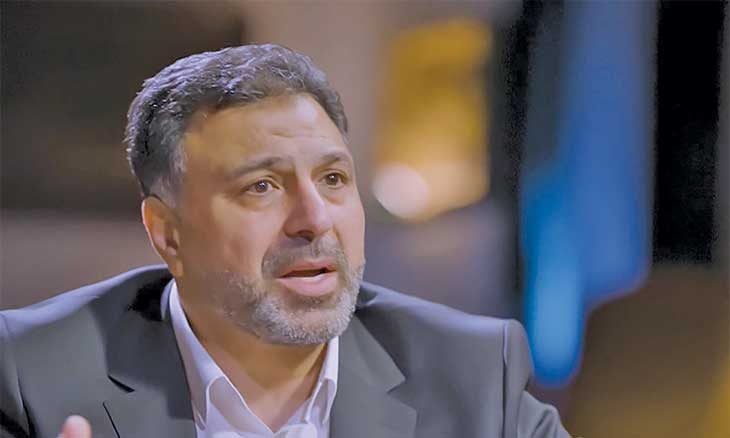
In this context, Fared Al-Mazhan, known as "Caesar" for leaking thousands of documents that led to U.S. sanctions against the former regime in 2019, commented on the recent developments. Al-Mazhan made serious accusations against those responsible for the new leaks, claiming they had not defected as they claimed, but had remained loyal to the regime's killing machine throughout the years of the revolution. He added, "Some of them continued to commit 'criminal acts' until the fall of Assad, then decided to ride the wave by taking thousands of documents and photographs with them."
Al-Mazhan asserted that these individuals did not bring the documents and photos in support of the detainees or in service of justice, but rather presented them in the political and media marketplace in exchange for asylum in Western countries, despite their criminality and brutality. He described the promotion of their leaks as "feats" by individuals who worked in the former regime's agencies, such as doctors, officials, and military personnel, as "unacceptable."
Conversely, Al-Mazhan praised the efforts of "some media institutions and humanitarian and human rights organizations that are undoubtedly impartial in revealing the truth." However, he simultaneously called for close coordination with Syrian official authorities, stating, "The government must work in close coordination with international media institutions and human rights organizations, so that no statement, information, or leak related to these files is issued without close coordination and cooperation with the Ministry of Justice and the National Commission for the Missing." He clarified that this request arises "from the desire to seek the truth first, and to preserve the feelings of the families of the missing," referring to what he described as "a painful and shameful phenomenon that has emerged since the regime's fall."
It is noteworthy that the new archive, which surpasses the size of the "Caesar Files," reached a team of journalists from the northern German broadcaster (NDR) and subsequently to the International Consortium of Investigative Journalists (ICIJ). The archive documented images of 10,212 individuals who died while in detention or after being transferred from prisons to military hospitals.
Investigations revealed that the new images, like the previous ones, were leaked by a retired colonel who led the evidence preservation unit in the military police in Damascus. According to NDR, the colonel shared the files through intermediaries on the condition of anonymity.
This new leak demonstrates that the former regime documented these widespread violations through security forces and police, continuing even after previous scandals and international sanctions, confirming the depth of the humanitarian tragedy experienced by detainees in those prisons.