Apple Announces Major Design Overhaul for iPhone 18 Set for 2026 Release
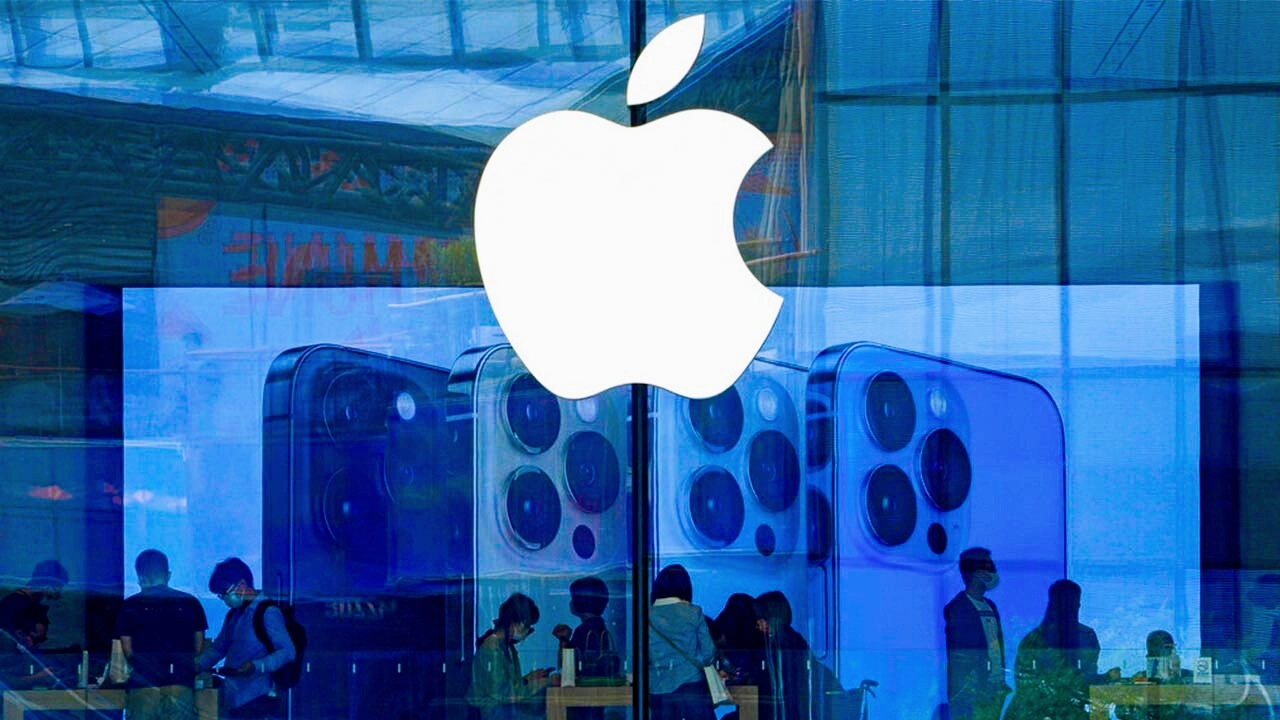
In a bold move, recent reports indicate that Apple is planning significant design changes for its upcoming iPhone 18, expected to launch in September 2026.
According to sources, the new model will eliminate one of the most recognizable features of recent iPhones: the notch.
Leaks suggest that Apple is working on integrating the front camera and Face ID technology beneath the display, utilizing a small transparent glass window embedded in the screen.
This window will allow infrared light from the TrueDepth sensors to pass through, maintaining image quality and essential functions while minimizing visual distortions on the display.
This innovative approach resembles solutions employed by some Android manufacturers to conceal facial recognition sensors beneath the screen, using perforated glass or nanotechnology.
However, Apple appears to be enhancing this concept further to meet user expectations regarding security and innovation.
Despite this major development, the Dynamic Island feature will not be entirely removed; it is expected to be reduced in size, with the cutout only for the front camera, while other sensors will be positioned beneath the display.
This change will result in a sleeker interface while retaining the functionalities that distinguish Apple devices.
Industry experts like Ross Young and Mark Gurman believe these changes will be particularly evident in the 2026 "Pro" models, where new features will be less visible and more seamlessly integrated into the design.
In parallel with these revolutionary changes, reports also indicate that Apple plans to launch four new devices in early 2026, including a new iPhone, alongside innovative expansions of its product lineup.
In summary: Apple appears to be entering a new era in smartphone design, focusing on hidden technology that enhances usability without compromising aesthetic appeal.
Anticipation builds for the iPhone 18 in 2026, as the tech community awaits this transformative shift in smart devices.