US Dollar Ends 2025 with Largest Annual Loss in Eight Years
January 1, 2026419 VistasTiempo de lectura: 2 minutos
Tamaño de fuente
16
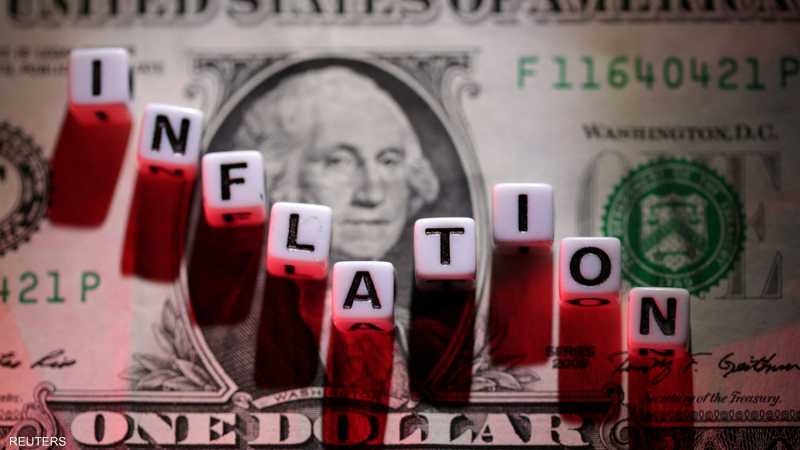
The US dollar wrapped up 2025 experiencing one of its most challenging years in recent history, marking its largest annual decline in eight years. This downturn reflects a notable shift in global market sentiment and investor expectations for the upcoming period.
Market speculation has intensified regarding the continued depreciation of the US currency, driven by looming monetary and political changes anticipated within the Federal Reserve.
Magnitude of the Decline
According to market data, the Bloomberg Dollar Index fell by approximately 8% throughout 2025, as the dollar struggled to recover from losses incurred since the previous spring, despite some limited recovery attempts.
This decline followed a significant drop initiated by the Trump administration's tariff imposition in April, a move widely referred to as "liberation day," with repercussions felt well into the year’s end.
Federal Reserve in Focus
Analysts believe that the Federal Reserve's policy will be crucial in determining the dollar's trajectory in the coming months, particularly with Jerome Powell's term as chair set to conclude next year.
Yosuke Miyairi, a currency market analyst at Nomura, noted that market participants are not only anticipating decisions regarding interest rates in the January and March meetings but are also focused on who will succeed Powell, amid expectations that Trump may appoint a Fed chair inclined toward a more expansive monetary policy and deeper interest rate cuts.
Will Weakness Persist in 2026?
Forecasts suggest that the dollar may continue to weaken through January, although the rate of decline is expected to taper off in subsequent months, according to forex market traders. However, uncertainty remains, as stakeholders await new monetary policies and the direction of the incoming US administration.
Currencies Benefiting from Dollar Decline
Conversely, other currencies have seen notable gains against the dollar, with the euro leading the way, benefiting from reduced inflationary pressures and expectations of increased defense spending in Europe, which have diminished the likelihood of interest rate cuts in the eurozone.
Expectations that central banks in Canada, Sweden, and Australia will raise interest rates have also bolstered their currencies against the dollar.
Positive Data Fails to Alter Course
Despite the release of positive US economic data showing a decrease in unemployment claims to one of the lowest levels this year, the dollar was unable to change its overall downward trajectory. The dollar index remained relatively stable in the final trading sessions of the year, with a slight increase of 0.2%, but ended December down 1.2%, confirming that fundamental pressures on the US currency persist.