Tunisian TV Show Faces Backlash for Promoting Unscientific Cancer Treatments
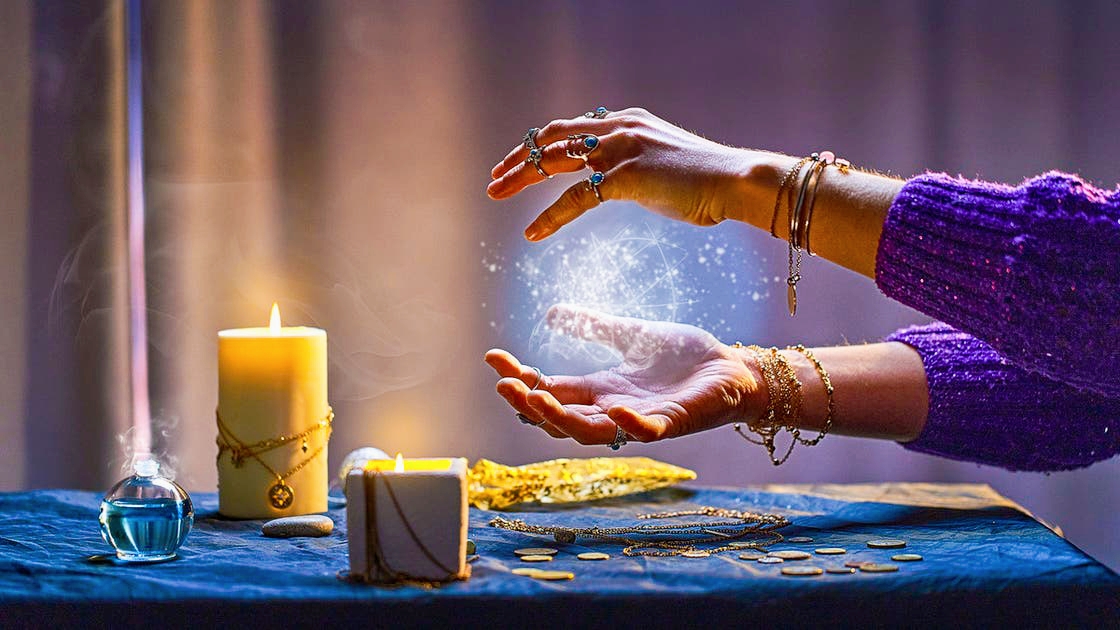
A recent episode of the program Promax, aired on the "Tunisian Dialogue" channel, has sparked considerable backlash after featuring individuals who claimed they could treat incurable diseases, particularly cancer, using magic and sorcery.
During last Sunday’s episode, the show suggested that cancer could be treated through unscientific methods, with guests asserting they could heal patients from malignant tumors through practices outside of modern medicine.
This has led to widespread condemnation from both the medical community and the public.
* Medical Association Takes Action
The Tunisian Medical Association has expressed strong disapproval of the episode’s content, warning that such programming can jeopardize public health and mislead patients seeking legitimate cancer treatments.
In an official statement, the association emphasized that effective treatment for cancer relies on scientifically validated medical protocols, cautioning that reliance on unproven methods could pose serious risks and delay necessary medical care.
* Concerns Over Misinformation
The association highlighted that the program’s promotion of non-medical cancer treatments contributes to the spread of misleading alternative medicine, potentially worsening patients’ health and leading them to make uninformed decisions.
They further noted that such programming could encourage the acceptance of unverified traditional medicine practices.
* Defense from Program Host
In response, program host Samir Al-Wafi defended the episode, stating it was intended to reflect real stories from Tunisian society. He noted that visual warnings were displayed throughout the broadcast, indicating that the program management does not endorse the guests' claims and advises viewers to consult qualified medical professionals.
Al-Wafi also mentioned that previous episodes have highlighted the achievements of Tunisian doctors in treating various diseases, including cancer.
* Legal Context on Sorcery
While Tunisian law does not specifically address sorcery and witchcraft, it categorizes such practices under fraud. Article 291 of the Penal Code stipulates that individuals who use deceptive means or claim supernatural abilities to mislead others can face penalties, including imprisonment and fines.
The ongoing debate surrounding the program raises important questions about the media's responsibility in presenting content that adheres to scientific and health standards, as well as the challenge of balancing freedom of expression with the duty to protect public health.