Arab Nations Urge Immediate Humanitarian Aid Access to Gaza Amid Crisis
January 2, 2026170 ViewsRead Time: 3 minutes
Font Size
16
In a significant diplomatic initiative reflecting escalating global concern, eight Arab and Islamic nations have issued a joint statement demanding the immediate and unrestricted entry of humanitarian aid into the Gaza Strip. They warned of a looming humanitarian disaster that threatens millions of civilians.
Warning of an Imminent Crisis
The foreign ministers of Saudi Arabia, Egypt, Jordan, the UAE, Indonesia, Pakistan, Turkey, and Qatar expressed that the ongoing military operations, coupled with a stringent blockade and adverse weather conditions, pose a serious risk to the lives of approximately 1.9 million displaced individuals in Gaza, describing the situation as "extremely alarming."
Winter Exposes Vulnerable Conditions
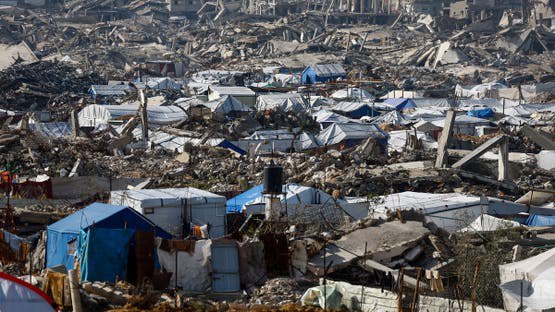
The statement highlighted that winter has exacerbated the already precarious living conditions, with displacement camps becoming inundated with rainwater and damaged structures collapsing, leading to a critical shortage of heating and essential services for families in distress.
Health Risks Intensifying
The ministers cautioned that the combination of acute malnutrition and severe cold could precipitate a health crisis and the spread of diseases, particularly among vulnerable populations such as children, women, and the elderly, amid a decline in medical resources.
Support for UN Efforts and Calls for Unobstructed Aid
The statement commended the efforts of the United Nations, UNRWA, and other international organizations operating in Gaza, urging Israel to remove barriers to aid and ensure its consistent and unrestricted flow. The ministers deemed any obstruction to humanitarian work as "a challenge to international resolve" and unacceptable.
Political Solutions and Unconditional Aid
The ministers reiterated their full support for Security Council Resolution 2803 and the comprehensive plan proposed by U.S. President Donald Trump, emphasizing their commitment to transforming political initiatives into actionable solutions that facilitate recovery and provide permanent housing that upholds the dignity of the population.
Palestinian State as a Central Solution
The statement underscored the importance of establishing a credible path toward self-determination culminating in an independent Palestinian state. It called on the international community to fulfill its legal and moral obligations and to pressure Israel, as the occupying power, to lift restrictions on essential supplies, including tents, shelter materials, medical supplies, clean water, fuel, and sanitation services.
Gaza Facing Dual Crises
This collective stance comes as the Gaza Strip grapples with a dual crisis: a harsh winter that is damaging the tents of the displaced and worsening hunger that threatens lives, amid a clear failure to meet humanitarian obligations.
Stalled Agreements on Humanitarian Aid
It is important to note that the Sharm El-Sheikh peace agreement reached last October outlined a framework for concluding the conflict and launching a significant humanitarian relief operation in Gaza, which included provisions for a sustainable and unconditional flow of aid and the opening of all crossings to meet the needs of 2.3 million people. However, these provisions remain unfulfilled due to Israeli restrictions.