Trump Issues Stark Warnings to Europe on Immigration and Energy Policies
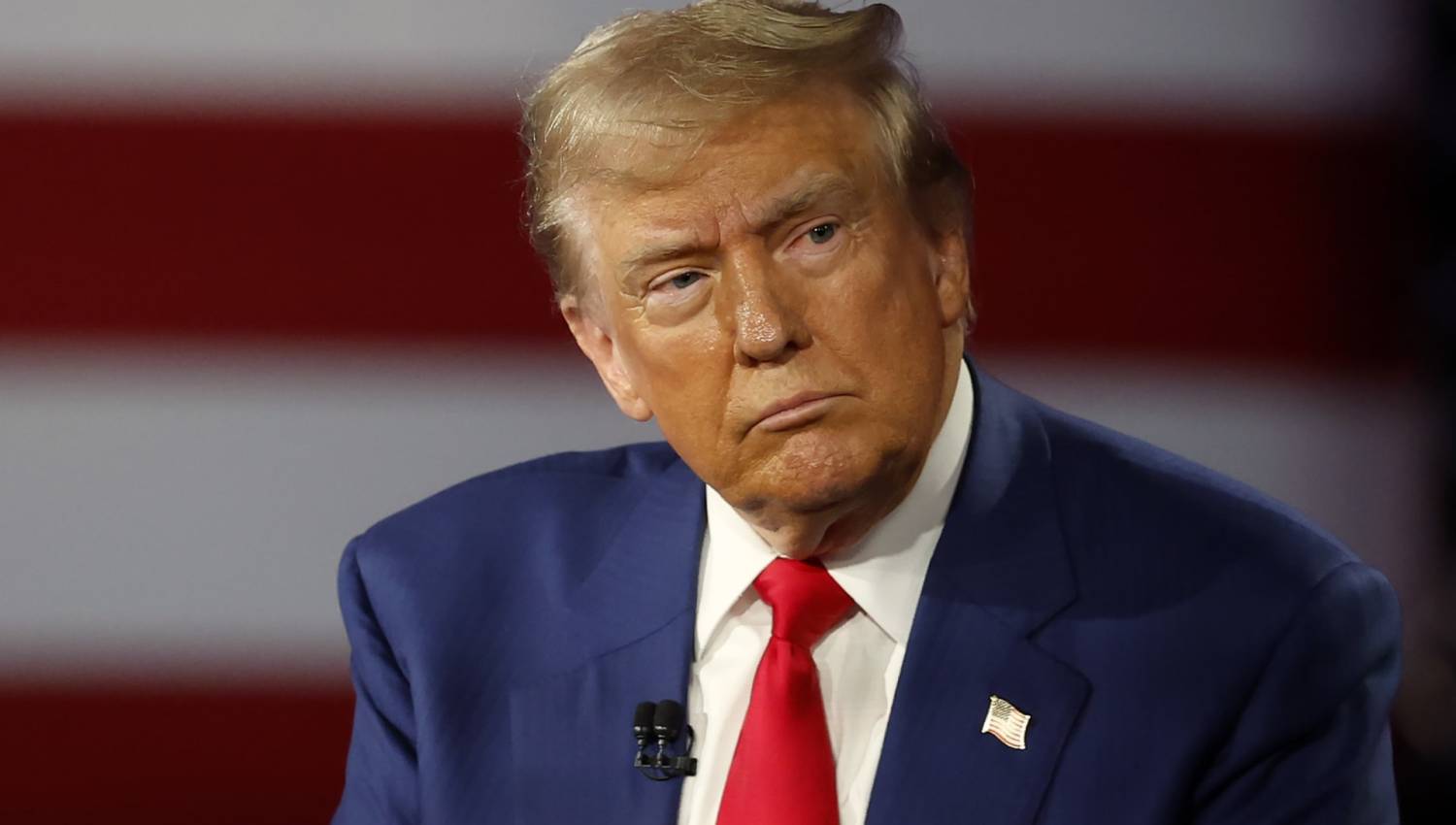
U.S. President Donald Trump has reiterated his concerns regarding Europe's immigration and energy policies, labeling them as significant threats to the continent. His comments were made during a speech in Pennsylvania, where he criticized European leaders.
Trump cautioned European nations, stating, "They better be careful, because immigration and energy will destroy Europe." He described current immigration policies as detrimental, claiming they are harming "beautiful Europe," while expressing his affection for the continent.
The President directed specific criticism towards the United Kingdom, urging the government to "boost oil production in the North Sea." He claimed to have advised the new British Prime Minister, Keir Starmer, to tap into this "great energy source," warning that failure to do so could jeopardize Starmer's political future.
Trump also criticized the expansion of wind energy initiatives in Scotland, suggesting they are financially burdensome.
His remarks, which resembled an election rally, initially focused on domestic economic issues such as rising food prices before shifting to broader criticisms of European policies. This speech follows a series of similar critiques aimed at Europe, particularly Germany, made earlier in the week.
These comments come on the heels of a draft "National Security Strategy" released by the Trump administration, which has drawn criticism from various European capitals.
The document, unveiled last week, raises concerns about what it describes as a "decline" in democracy and freedom of expression in Europe. It identifies significant challenges facing the continent, including issues of censorship, declining birth rates, and a perceived loss of national identity and confidence.
Trump's Pennsylvania speech appears to reflect the sentiments expressed in the National Security Strategy, indicating a potential continuation of a confrontational stance towards traditional U.S. allies should he return to the presidency.