January's Supermoon: Last Chance to View Until November 2026
January 1, 2026146 ViewsRead Time: 2 minutes
Font Size
16
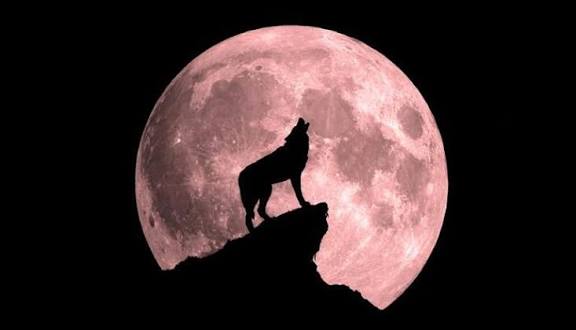
The final supermoon of a series that began in October will occur on January 3, when the moon reaches its full phase at its closest point to Earth. This will make it appear particularly bright and clear compared to other times of the year.
This notable astronomical event allows skywatchers to see the moon larger and brighter than usual, with the next opportunity not available until November 2026.
What is a supermoon?
A supermoon is defined as a full moon that occurs when the moon is at its perigee, the closest point in its elliptical orbit to Earth, resulting in a larger and brighter appearance.
Astronomers have documented three supermoons since October, with the January full moon marking the conclusion of this series.
The moon can appear up to 14% larger and 30% brighter than when it is at its apogee, creating a stunning visual effect, especially in open areas and snowy landscapes.
Best Viewing Times
For optimal viewing, it is advisable to observe the moon on the nights of January 2 and 3, as it rises in the eastern sky and moves westward with the sunrise.
The brightness will peak at 5:03 AM Eastern Time on January 3, a time when many regions are still dark, offering an excellent opportunity to witness the phenomenon.
Extended Viewing Opportunity
If you miss the peak, the moon will retain over 90% of its brightness from December 31 to January 5, providing additional chances for stargazers to enjoy the view.
Viewing Without Special Equipment
No special equipment is necessary to observe the supermoon, as it is the brightest object in the night sky. However, binoculars or telescopes can enhance the experience by revealing surface details and allowing for more detailed images.