Understanding the Four Key Stages of Brain Development
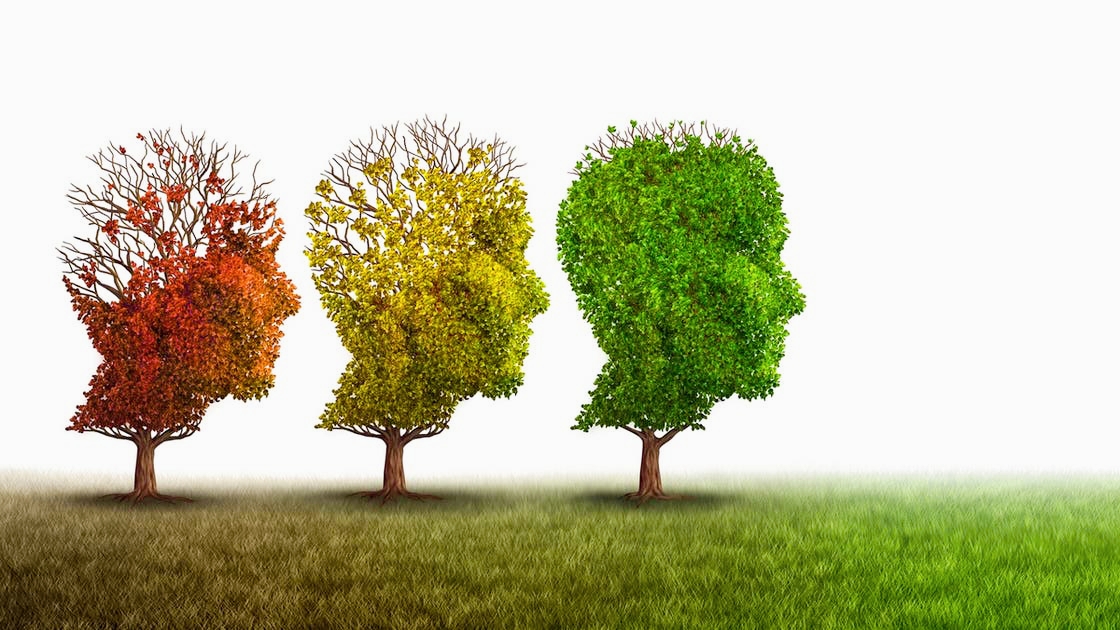
Recent studies in neuroscience reveal that the human brain does not progress in a linear fashion from childhood to old age, but instead experiences four pivotal transformations throughout life, where it reorganizes its networks to adapt to the challenges of each stage.
According to the British newspaper The Times, research conducted in the UK, USA, Germany, and China has identified significant "cliff edges"—molecular and anatomical milestones that impact both the brain and body.
* Stages of Brain Development: Key Ages
A study from Cambridge University analyzed brain images from 4,216 individuals, revealing that the brain undergoes critical changes at the ages of 9, 32, 66, and 83 years. Dr. Alexa Mosley, the lead researcher, noted that these stages segment life into five primary periods:
• Childhood: until the age of 9
• Adolescence: until the age of 32
• Adulthood: until the age of 66
• Early Old Age: until the age of 83
• Late Old Age: for the remainder of life
Dr. Mosley stated: "The brain does not develop in a steady, linear manner, but experiences fluctuations in performance and functions throughout various life stages."
* Onset of Adolescence: 9 Years
At the age of nine, children's complex neural networks begin to refine themselves, eliminating ineffective connections to create more efficient pathways.
This marks the emergence of specialized local networks, setting the stage for puberty and various physical and hormonal changes.
These transformations continue for over two decades, explaining the mood swings and personality shifts often observed during adolescence. This phase is also associated with an increased risk of certain mental health disorders, alongside the development of cognitive, social, and emotional skills.
* Onset of Maturity: 32 Years
At age 32, the brain reaches its peak maturity and neural capabilities.
The period of neural stability lasts from 32 to 66 years, despite physiological changes, particularly around age 44, when molecular alterations in the blood affect caffeine and fat metabolism, raising the risks of heart disease and impacting skin and muscle health.
* Early Old Age: 66 Years
By age 66, the brain begins to reorganize its neural strategies, prioritizing the efficiency of local networks over broader communication between regions.
This may lead to a decline in some cognitive functions, such as spatial memory, while allowing for the retention of significant memories and emotional connections.
Many of these changes can be mitigated by maintaining a healthy lifestyle, which includes ongoing mental engagement, journaling, and social interaction.
* Late Old Age: 83 Years
At age 83, the brain undergoes a complete reorganization, altering neural pathways to route messages through central points to compensate for the loss of direct connections.
Dr. Mosley illustrates this with the analogy of "a direct bus line that has ceased operation, requiring a person to switch buses and take two routes to reach their destination."
These findings highlight the human brain's remarkable adaptability, showcasing its ability to periodically reboot itself and provide individuals with ongoing opportunities to meet the challenges of aging while preserving mental health and cognitive functions.