Debate Over Salaries in Egyptian Drama Resurfaces Amid Ramadan Season
January 6, 2026169 ViewsRead Time: 2 minutes
Font Size
16
The conversation regarding the salaries of Egyptian drama stars has resurfaced, following an exchange between actors Ahmed El-Awadi and Mohamed Adel Imam about who holds the title of the highest-paid artist this Ramadan season. This debate echoes previous controversies within the artistic community over the years.
From Mohamed Ramadan to El-Awadi and Imam
The current dialogue was sparked by El-Awadi's claim of being the highest-paid in Egyptian drama, to which Mohamed Adel Imam countered that his father, the iconic Adel Imam, still commands the highest salary despite his absence from the industry for several years. This exchange recalls a previous incident where Mohamed Ramadan boasted about his earnings, which led to widespread criticism and a temporary halt in discussions about star salaries.
Public Questions About Artistic Value
The controversy has prompted significant interaction on social media, where users are questioning the merit of highlighting substantial salaries and their correlation to the quality of artistic work, especially amid increasing competition and a variety of available productions.
Al-Shanawi: Financial Disparities Have Decreased
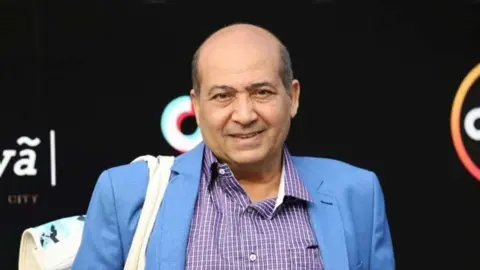
Art critic Tariq Al-Shanawi provided exclusive comments to 'Erem News,' noting that salaries among top artists have converged in recent years. He explained that the gaps that once existed have narrowed, leading to renewed discussions about who is the highest-paid in the industry.
The Highest Salary… A Marketing Tool, Not a Measure of Success
Al-Shanawi further remarked that discussions around salaries have evolved into a marketing strategy used to promote certain productions as the largest or most significant, rather than serving as a genuine indicator of their artistic merit. He emphasized that a high salary does not necessarily equate to superior or impactful work, highlighting that true success should be gauged by audience engagement and the quality of content, rather than behind-the-scenes financial figures.
Advertising That May Backfire
Al-Shanawi cautioned that excessive emphasis on the notion of 'the highest-paid' could lead to counterproductive outcomes, as it may inflate audience expectations, potentially harming the artistic work if it fails to meet the anticipated standards.