Scientists Create Beating Heart Tissue from Spinach, Paving the Way for Organ Transplants
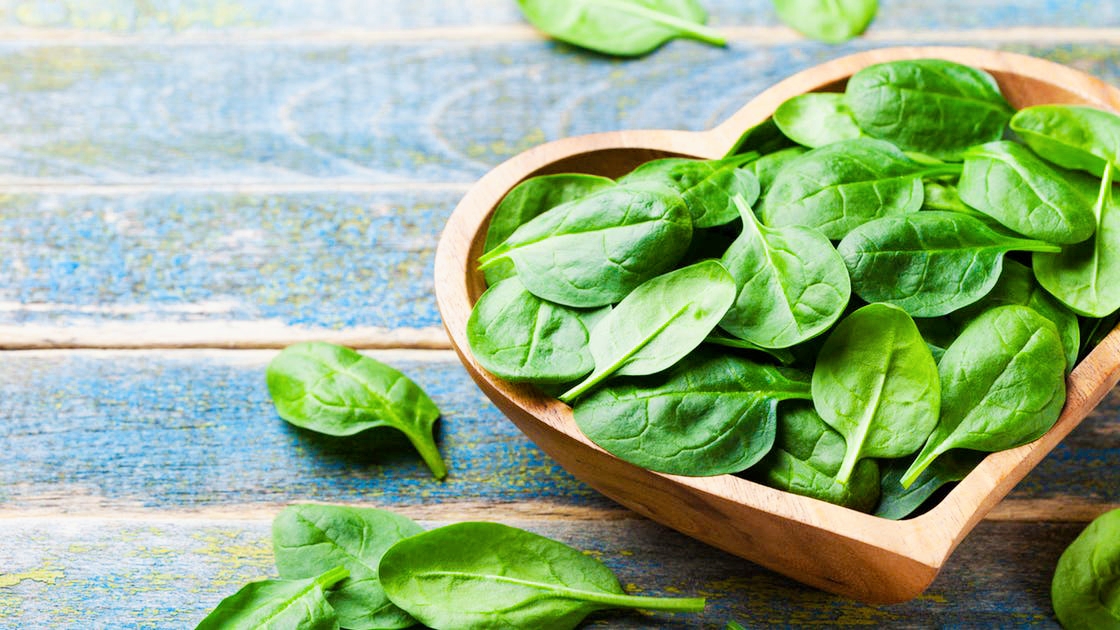
In a groundbreaking development for medical science, researchers have transformed spinach leaves into functional human heart tissue, a breakthrough that could significantly impact organ transplantation and tissue engineering.
This innovative idea emerged during a lunch break and led to extensive research by a team at Worcester Polytechnic Institute in Massachusetts, USA. Their findings were published in the journal "Biomaterials," as reported by Time and The Washington Post.
* Why Spinach?
With a persistent shortage of organ donors, scientists have been exploring ways to replicate the complex network of blood vessels necessary for artificial tissues.
The unconventional choice:
Spinach leaves possess a natural network of veins that closely resembles human blood vessels, enabling effective fluid and nutrient transport.
* Transforming Leaves into Heart Tissue
The researchers began by using a specialized soapy solution to strip away spinach cells, leaving behind the plant's structural framework, which includes the vein network.
Subsequently, they replaced the spinach cells with human heart cells, which adhered to the inner surfaces of the plant's vessels.
After five days, the researchers observed what they termed an "amazing moment":
The heart cells began to beat.
* Testing Blood Flow
To assess the functionality of the plant veins, the team injected the spinach leaves with beads mimicking red blood cells, confirming that the network effectively transported fluids and essential materials.
* Researchers' Reactions
Glenn Gaudet, the laboratory head at Worcester Polytechnic Institute, expressed excitement in a video about the study, stating, "The ability to take something as simple as a spinach leaf, which is abundant and accessible, and transform it into a tissue capable of having blood flow through it is extremely exciting."
Biomedical engineer Joshua Gershlak shared his astonishment with The Washington Post, saying, "It was really amazing… suddenly you see the cells moving."
* Looking Ahead
The researchers aim to further develop this technology to cultivate live heart tissues for damaged areas of the human heart, potentially offering innovative solutions for heart disease patients and decreasing reliance on organ donations.
Thus, spinach has transcended its role as a nutritious vegetable, emerging as a promising tool in modern medicine and a potential lifesaver.