Comparing Sardines and Tuna: Which Fish Offers Greater Health Benefits?
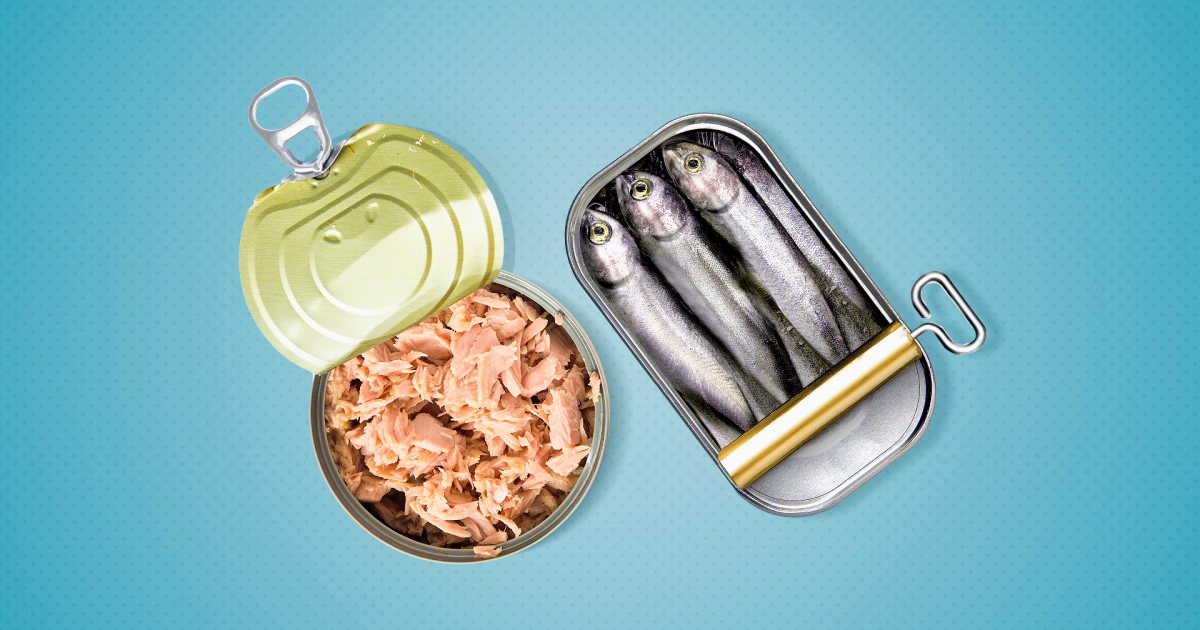
Nutritionists advocate for the inclusion of fish such as sardines and tuna in diets due to their high-quality protein and long-chain omega-3 fatty acids, specifically docosahexaenoic acid (DHA) and eicosapentaenoic acid (EPA), which are vital for maintaining heart and brain health.
But which fish offers more of these essential nutrients? A detailed nutritional comparison can provide clarity.
* Nutritional Overview per 100 grams
_ Canned Sardines:
• Calories: 208
• Protein: 24.6 grams
• Total Fat: 11.4 grams
• Omega-3 Fatty Acids (EPA and DHA): 982 mg
_ Light Canned Tuna in Oil:
• Calories: 198
• Protein: 29.1 grams
• Total Fat: 8.2 grams
• Omega-3 Fatty Acids (EPA and DHA): 128 mg
This comparison indicates that sardines are significantly richer in omega-3 fatty acids, while tuna provides a slight advantage in protein content.
* Sardines: The Omega-3 Leader and Heart Health Ally
Sardines are a rich source of long-chain marine omega-3 fatty acids, which offer several health benefits for the heart and brain, including:
• Improving blood lipid profiles
• Lowering the risk of arrhythmias
• Potentially protecting against inflammation and various cardiovascular and neurological disorders
Additionally, sardines are a good source of calcium and vitamin D, both crucial for bone health, and they rank among the fish with the lowest mercury contamination.
* Tuna: A Low-Fat Protein Source with Various Benefits
While light tuna has lower omega-3 levels, it is:
• An excellent source of complete protein, containing all essential amino acids.
• Low in fat, making it suitable for those aiming to reduce caloric intake while maintaining fullness.
• Rich in essential vitamins and minerals, including B12, B6, iron, potassium, selenium, and iodine.
However, it is important to be aware that certain types of tuna, particularly white tuna, may have higher mercury levels, which poses risks for pregnant women and young children.
* Guidelines for Choosing the Right Fish
_ Opt for sardines if you prioritize:
• Higher omega-3 content
• Healthy protein with beneficial fats
• A lower risk of mercury exposure
_ Choose tuna if you prefer:
• A milder taste and versatility in cooking
• Low-fat protein options
• Variety, as some types of white tuna offer omega-3 levels comparable to sardines
* Expert Recommendations
Since no single fish can fulfill all nutritional needs, experts recommend diversifying your fish intake. Incorporating sardines, tuna, salmon, mackerel, and other varieties can create a balanced diet rich in protein, omega-3 fatty acids, vitamins, and minerals while minimizing mercury exposure.