Protests Erupt in Iran Over Economic Hardships Amid Government Building Attack
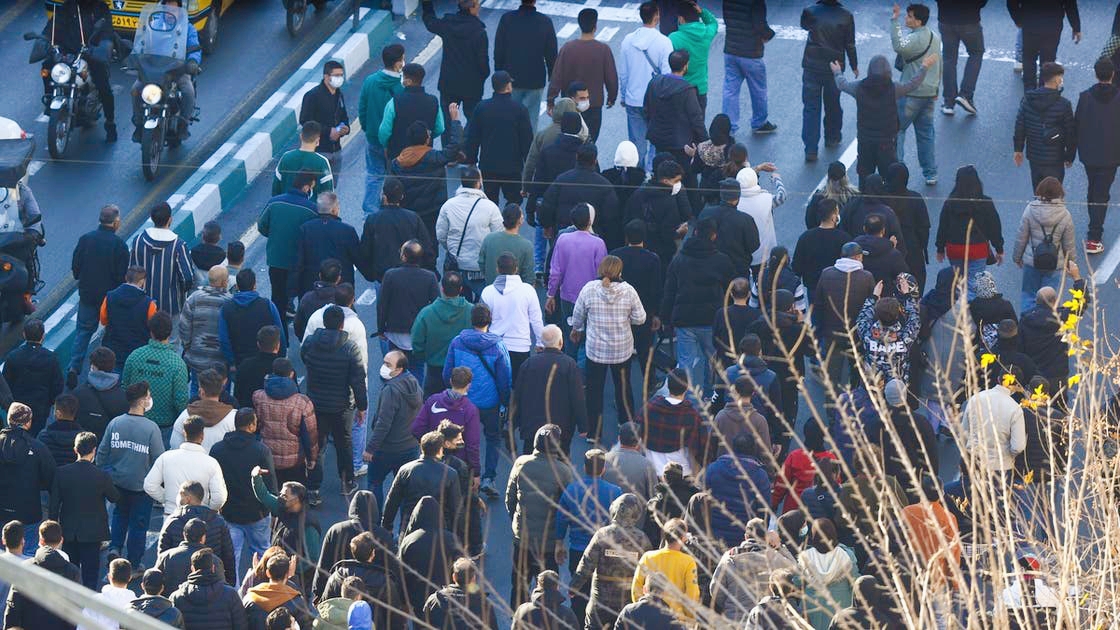
The city of Fasa in southern Iran experienced an attack on a government building on Wednesday evening, coinciding with the fourth day of widespread protests against rising living costs and economic difficulties.
The judicial site "Mizan" reported that "the main entrance of the city governor's building was damaged in an attack by several individuals," although it did not provide further details regarding the incident or its relation to the protests.
Since Sunday, spontaneous protests have erupted across Iran, initially starting with shop owners in Tehran and expanding to numerous universities, with increasing calls for economic reform.
Mohammad Reza Taqi Dokht, Vice President of Tehran University, noted that four students were detained during the protests but were released by Tuesday evening.
* Judicial Authorities Warn of Security Risks
Iranian Attorney General Mohammad Mohammadi Azad acknowledged that "peaceful demonstrations in defense of livelihoods are understandable," but cautioned against any attempts to "exploit the protests to disturb security or damage public property, or to enact plans devised abroad," stressing that violations would result in strict legal consequences.
In a controversial statement, the Israeli intelligence agency "Mossad" urged Iranians via the platform "X" to escalate their social movement, offering its support. Iran has consistently accused Israel of attempting sabotage against its nuclear facilities and orchestrating the assassinations of key figures.
* Protests Driven by Economic Struggles
The protests originated in Tehran's major mobile phone markets, driven by inflation rates exceeding 10% and the Iranian rial losing over one-third of its value against the dollar in the past year.
The demonstrations have spread to various cities, leading to partial closures of schools, banks, and public institutions due to severe cold and energy rationing, while universities have shifted to online classes.
One protester told the newspaper "Etemad":
"Everyone here is struggling for a piece of bread," highlighting the increasing hardship stemming from decades of international sanctions and rising prices of essential goods.
* Growing Concerns Over Stability
There is rising apprehension among Iranians regarding the potential for renewed conflict with Israel following the twelve-day war in June and the reinstatement of United Nations sanctions on Iran in September due to its nuclear program.
The government has stated that addressing inflation will be a priority for the newly appointed central bank governor Abdolnaser Hemmati, who faces significant challenges amid escalating public discontent.
These protests, while smaller than the mass demonstrations that followed the death of Mahsa Amini in custody in late 2022, underscore the sensitivity of public anger and its implications for security and stability in the country.