Grammy Awards 2026: Artists Protest U.S. Immigration Policies
February 2, 2026180 ViewsRead Time: 2 minutes
Font Size
16
The Grammy Awards 2026 transformed into a notable platform for protest, as numerous global music stars publicly opposed the stringent immigration policies of the Trump administration, amidst escalating deportation efforts in cities like Minneapolis.
Activism on the Red Carpet
The red carpet and various segments of the ceremony, held on Sunday evening, were infused with political messages, following activist calls for celebrities to don protest pins against the presence of U.S. Immigration and Customs Enforcement (ICE) in their communities.
Prominent artists who responded included Billie Eilish, Finneas, Carole King, Justin and Hailey Bieber, Kehlani, Margo Price, and Jason Isbell.
Impactful Acceptance Speeches
During her acceptance of the Song of the Year award, Billie Eilish remarked, "no one is illegal on stolen land," a statement that garnered significant attention.
Olivia Dean, the Best New Artist winner, highlighted her immigrant heritage, stating that her grandparents "deserve appreciation and respect."
Bad Bunny's Strong Message Against ICE
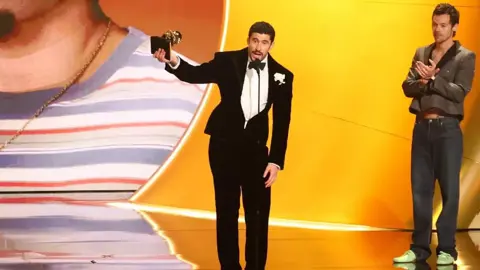
Latin music artist Bad Bunny directly criticized ICE while accepting the Best Urban Album award, declaring to loud applause: "We are human beings, not beasts or aliens."
Context of Public Outrage
This surge in protest reflects a growing wave of public outrage in the United States, fueled by controversial incidents such as the shooting of a nurse by a border patrol agent, the detention of a five-year-old child, and the arrest of journalists and activists.
Human Rights Perspectives: A More Assertive Approach
Jess Morales Rocketto, executive director of the Latino rights organization "Mijente," commented that this year's protests by music stars seemed "bolder" than in previous years, emphasizing that "these pins are not just accessories, but a clear message rejecting ICE's interference in community lives."
Concerns Over Political Expression
Rocketto noted that many artists remain cautious about expressing their political views due to pressures from production companies or business partners, as well as personal concerns regarding their legal status or family situations, particularly within the Latino community.