Béla Tarr, Pioneer of Slow Cinema, Passes Away at 70
January 9, 202676 ViewsRead Time: 2 minutes
Font Size
16
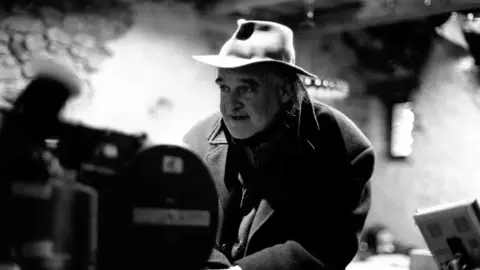
The film community has lost Béla Tarr, a Hungarian filmmaker celebrated for his distinctive and experimental approach to cinema. Known as an icon of "slow cinema," Tarr passed away at the age of 70 following a lengthy illness, as confirmed by Réka Gáborjani, the daughter of his wife, in Budapest.
Tarr's death marks the end of an era for a director who transformed the perception of time in film. He utilized long takes and black-and-white cinematography not merely for aesthetic purposes but as instruments for profound reflection on human existence. His innovative style often defied conventional narrative structures, opting instead for a deliberate pace that explored the intricacies of the lives of marginalized individuals.
Among his most significant works are "Sátántangó" (1994), a seven-hour film, and "Werckmeister Harmonies" (2000), which offers a stark yet human depiction of rural Hungary and its challenges. His films demand patience from viewers, ultimately rewarding them with a unique emotional resonance.
Tarr received extensive critical acclaim at various European and international film festivals, garnering prestigious awards and admiration from fellow filmmakers such as Jim Jarmusch and Gus Van Sant. Notably, writer and critic Susan Sontag referred to him as "the mesmerizing director." In his own words, Tarr emphasized the dignity of humanity in his work, famously stating, "I have been making the same film for 30 years... a film about human dignity. Please do not destroy it." Born on July 21, 1955, in Pécs, Hungary, Tarr began his filmmaking career at a young age. His style evolved from family dramas to experimental cinema characterized by deep philosophical themes. After his last film, "The Turin Horse" (2011), he shifted focus from directing to teaching, founding the "Film Factory" school in Sarajevo and engaging in academic pursuits in Hungary and abroad.
Following the announcement of his passing, artists and critics worldwide have expressed their sorrow, recognizing Tarr as one of the most influential filmmakers of modern cinema. His absence will leave a notable gap in the global cinematic landscape.