Rising Birth Defects in Gaza Amid Ongoing Conflict and Healthcare Crisis
January 11, 202655 ViewsRead Time: 3 minutes
Font Size
16
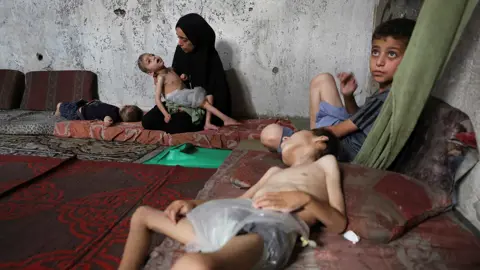
The Gaza Strip is experiencing a troubling health crisis, marked by a significant increase in the number of children born with birth defects. This situation has arisen amidst the ongoing conflict, deteriorating living conditions, and a lack of essential medical and nutritional support for expectant mothers.
War and Hunger Intensify Hardships for Pregnant Women
As reported by Reuters, pregnant women in Gaza are facing severe challenges due to forced displacement, malnutrition, and unsafe birthing conditions, compounded by famine and restricted access to vital food supplies, particularly those necessary for mothers and children.
Healthcare Facilities Strained
Experts indicate that hospitals in the Gaza Strip are ill-equipped to monitor and diagnose birth defects due to overcrowding, a shortage of medical supplies, and the loss of critical prenatal testing capabilities. Ahmed Al-Fara, director of the pediatrics and obstetrics department at Nasser Medical Complex in Khan Younis, has reported numerous cases of birth defects across various regions of the strip, especially in the central and southern areas.
Challenges in Early Detection
Al-Fara noted that one of the major hurdles is the inability to identify defects early in pregnancy. Many fetuses are lost due to abnormal symptoms, often only discovered post-abortion. The rising rates of both abortion and birth defects are evident, yet the lack of essential tests, such as folic acid and micronutrient assessments, complicates the identification of their causes.
Nutritional Deficiencies Linked to Defects
Al-Fara pointed out that a significant contributor to birth defects is the severe lack of nutritional supplements, particularly folic acid and essential fatty acids. This deficiency has led to an increase in cases of central nervous system defects and neural tube defects, which are critical for brain and spinal cord development. He noted that these cases have doubled since the onset of the conflict, largely due to malnutrition among pregnant women.
Environmental Hazards Heighten Risks
Al-Fara also raised concerns about pollutants from shelling and destruction, which may contain toxic or radioactive materials, as confirmed causes of the rise in birth defects. The absence of radiation detection equipment in the region leaves the actual pollution levels unknown.
Severe Cases and Treatment Delays
He reported instances of babies born with severe defects, many of whom survive only days or weeks. Others require urgent surgical interventions that are unavailable in Gaza, such as heart and nerve surgeries. Common defects include cleft lip, cleft palate, and complex congenital heart diseases.
Children Awaiting Treatment Outside Gaza
Al-Fara disclosed that nearly 1,000 children suffering from congenital heart diseases are waiting for transfer to facilities outside Gaza for treatment, a number that is unprecedented compared to pre-war periods.
Water Contamination Worsens Health Issues
He emphasized that environmental pollution, particularly from contaminated groundwater, significantly exacerbates the health crisis, as residents are forced to consume unsafe water, perpetuating a cycle of health issues.
Lack of Medical Resources
Al-Fara stressed that Gaza's hospitals have minimal capacity to address birth defects, with services limited to basic childbirth and respiratory care, while specialized surgeries are completely unavailable. He noted that the ongoing closure of border crossings often results in the loss of many children awaiting treatment outside the strip.