U.S. Criticizes U.K. for Censorship Similarities to Russia on Platform 'X'

Tensions are escalating between London and Washington regarding the platform "X", following remarks from a senior U.S. official who suggested that British actions against the platform mirror Russian censorship tactics.
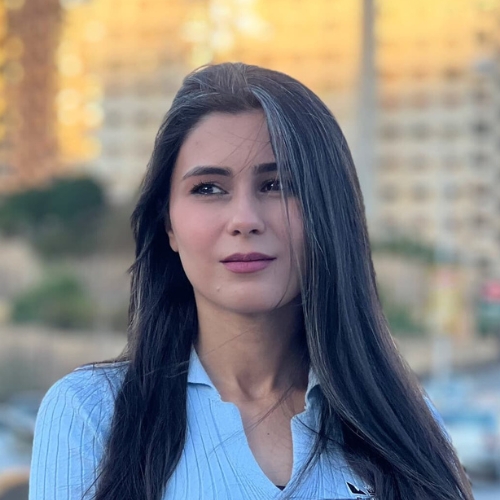
U.S. Under Secretary of State for Public Diplomacy Sarah Rogers expressed concerns in a series of messages, criticizing the British government's potential measures as reminiscent of Moscow's approach to controlling social media, as reported by the "PA Media" agency.
Rogers stated: "Britain is contemplating a ban on the platform X in a manner similar to Russia, citing the need to protect individuals from sexually suggestive images of swimwear."
On the British side, the communications regulator "Ofcom" has reached out to "X" and "XA I" regarding the dissemination of images featuring nudity and sexual content involving minors, and is currently conducting an "urgent assessment" of their responses, according to the Associated Press.
British Technology Minister Liz Kendall confirmed that the government would back "Ofcom" should it decide to restrict access to the platform, particularly in light of the circulation of manipulated images via the AI tool "Grok".
In a show of support, British Deputy Prime Minister David Lammy noted that U.S. Vice President JD Vance expressed "sympathy" for the U.K.'s efforts to combat the misuse of "Grok" in creating fake images, calling the situation "horrific and disgusting".
Lammy added: "He concurred with me that this is entirely unacceptable and demonstrated an understanding of the gravity of image manipulation, showing sympathy for our stance."
Conversely, Elon Musk, owner of "X" and "XA I", accused the British government of attempting to limit free speech, labeling its actions as "fascist". Musk argued that the government is seeking "any justification for censorship" and aims to suppress freedom of expression following threats to effectively block the platform.
This situation underscores the growing conflict between freedom of expression and digital censorship, amidst concerns about the proliferation of manipulated images and their societal implications, as the United States advocates for an open digital platform model without resorting to oppressive censorship methods.