Study Predicts Extended Summers in Europe Due to Climate Change
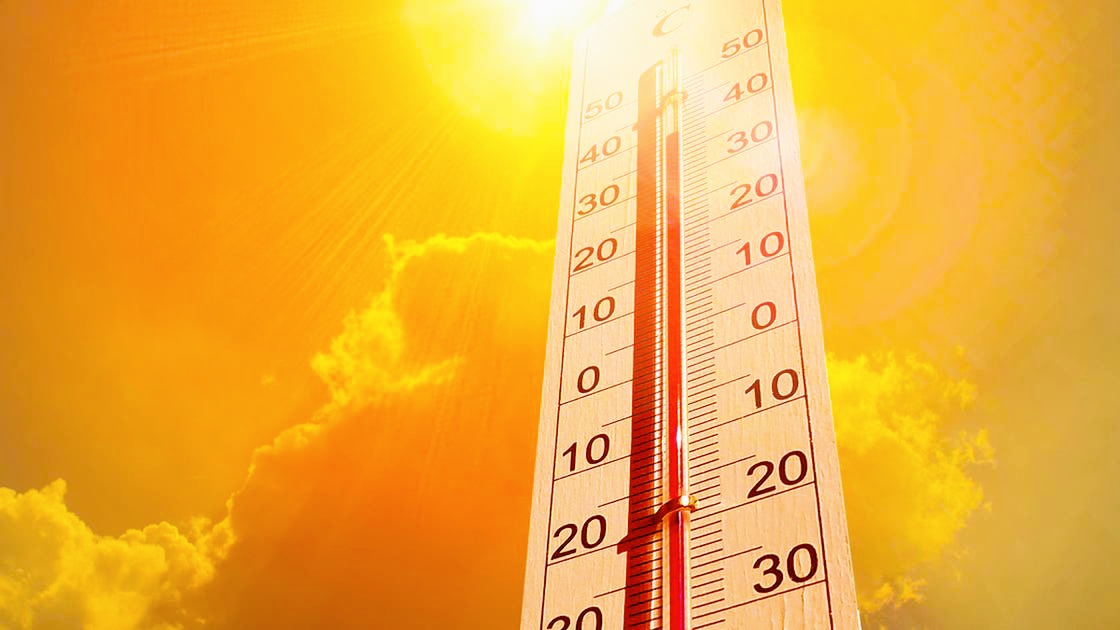
A recent scientific study indicates that by the end of this century, summer in Europe could last an additional 42 days, driven by climate change linked to human activities.
The research, published in the journal Nature Communications and reported by "Space," highlights a significant factor: the reduction of the latitudinal thermal gradient (LTG), which refers to the temperature disparity between the Arctic and the equator.
As Arctic temperatures rise at a rate four times faster than the global average due to greenhouse gas emissions, wind patterns across the Atlantic are shifting, resulting in prolonged summer conditions and heatwaves in Europe.
Dr. Laura Poyal, a researcher involved in the study, noted that while this phenomenon is not unprecedented in Earth's climate history, its current pace, intensity, and underlying causes are distinctive.
To better understand Europe's climatic evolution, researchers examined sediment layers in lake beds, which provide a reliable chronological record of seasonal changes over the past 10,000 years.
They discovered that summers approximately 6,000 years ago lasted about eight months due to natural temperature fluctuations.
The study found that a one-degree Celsius decrease in the temperature difference leads to an increase in the length of the European summer by roughly six days, supporting the prediction of a 42-day extension by 2100.
Lead researcher Celia Martin-Bouertas from Royal Holloway University in London stated:
"Analyzing the thermal gradient over millennia provides crucial insights for more accurately predicting future changes and underscores the interconnectedness of Europe's weather with global climate dynamics. Understanding past climate shifts is essential for addressing the challenges posed by our rapidly changing planet."