Egypt Unveils First Sleep Museum in Rashid, Blending History with Hospitality
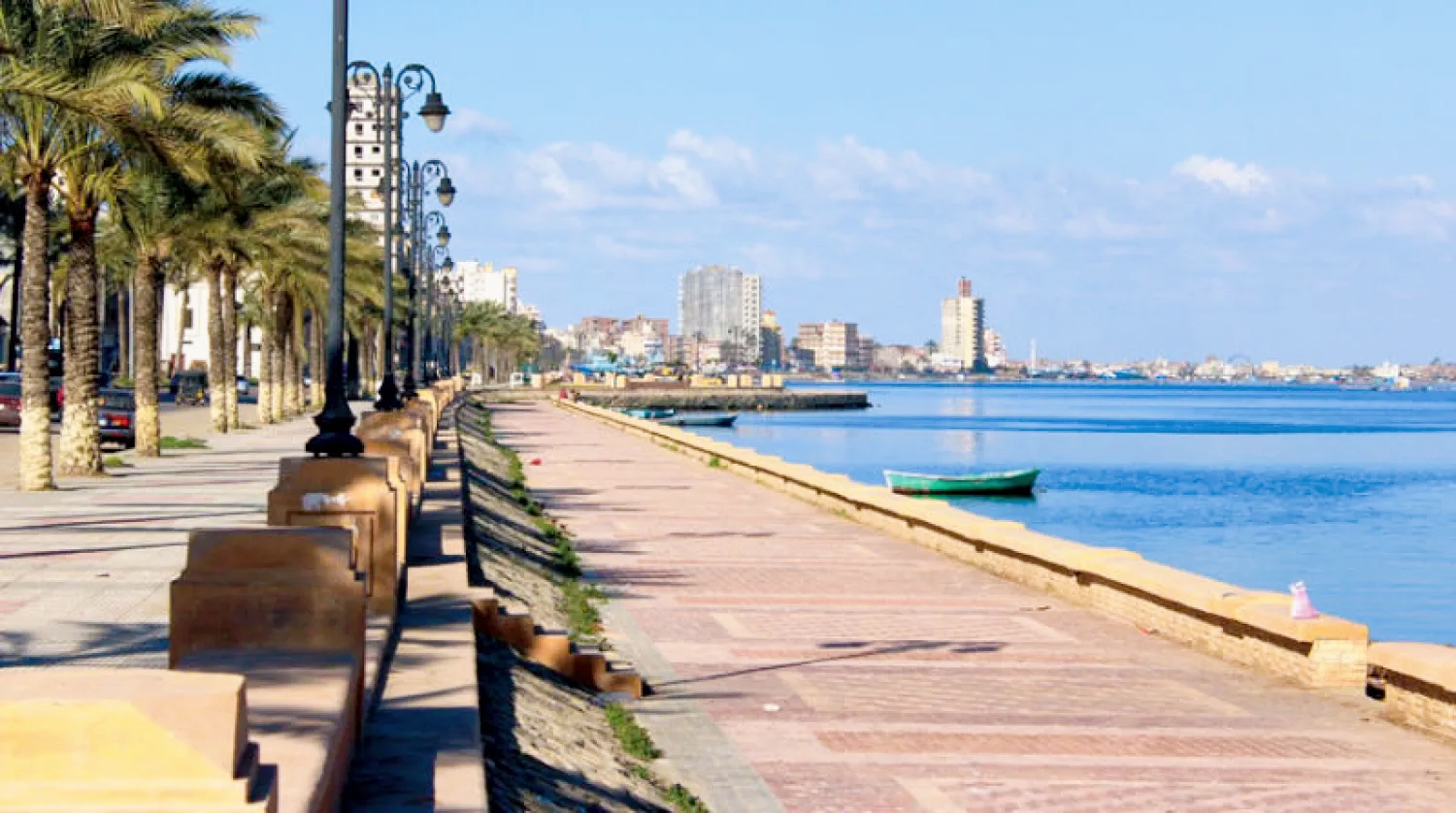
In a significant move to promote cultural heritage and tourism, Egyptian authorities have launched an initiative to transform the historical city of Rashid, situated on the Mediterranean coast, into an open museum where visitors can both explore and sleep within its ancient structures.
The initiative was announced by Dr. Jacqueline Azar, Governor of Beheira, who stated that the plan involves repurposing unique heritage buildings into hotel accommodations, creating a first-of-its-kind experience aimed at attracting tourists and encouraging longer stays.
Dr. Azar emphasized that Rashid is a cultural gem and a key tourist destination in Beheira, valued for its rich history that appeals to both domestic and international visitors eager to delve into Egypt's past.
A comprehensive study has been completed to assess the needs for the city's tourism development, with implementation expected to begin in the coming weeks.
* Rashid's Historical Core as an Open Museum
The initiative will focus on the historical heart of Rashid, particularly Sheikh Qandil Street and the King's Corridor, areas known for their architectural significance. These locations will be transformed into an open museum, incorporating hotel rooms within heritage homes, similar to successful models in Aswan and Giza.
* A Hub of Islamic Antiquities
Rashid is recognized as one of Egypt's richest cities in Islamic antiquities, second only to Cairo in the number of historical structures.
The city boasts 22 archaeological homes, 10 ancient mosques, an archaeological bath, a mill, a historical gate, Qaitbay Castle, and remnants of an ancient wall, most of which date back to the Ottoman period, while Qaitbay Castle and the Rashid Gate trace their origins to the Mamluk era.
* "A Living Museum Experience"
Magdy Sadiq, a member of the Chamber of Tourism Companies and Travel Agencies at the Egyptian Chamber of Commerce, highlighted the project's potential to offer lower-cost accommodations compared to traditional hotels, encouraging longer tourist stays and boosting local economic activity.
Sadiq stressed the importance of maintaining standards that balance tourism investment with the preservation of the historical and architectural integrity of the buildings.
He noted that heritage-style hotel rooms are increasingly popular among tourists, particularly in Europe, where they often reflect the local identity and are situated in historical settings such as palaces, traditional homes, or ancient inns.
These accommodations will feature classic furnishings made from natural materials, high wooden ceilings, and original stone or clay walls, creating what Sadiq describes as a “living museum you can sleep in,” ideal for history enthusiasts and those seeking a unique romantic atmosphere.
Egypt aims to attract 30 million tourists annually, a goal that necessitates an increase in diverse accommodation options.
* Expanding the Concept
Captain Mohamed Nagib, chairman of a major tourism company in Egypt, endorsed the idea of creating hotel rooms in heritage homes and called for its expansion to other areas, particularly in downtown Cairo and other provinces, beyond Rashid.
Nagib argued that broadening this initiative would enhance international confidence in Egyptian architecture, showcasing its potential as a valuable tourism asset while preserving heritage.
With this initiative, Rashid aims to reclaim its historical titles as “the Port of Egypt,” “the Gateway to the Nile,” and “the Land of a Million Palm Trees,” now reimagined as an open museum where visitors can immerse themselves in history.