
Egypt Unveils Byzantine Monastic Complex in Sohag
January 6, 2026190 ViewsRead Time: 2 minutes
Font Size
16
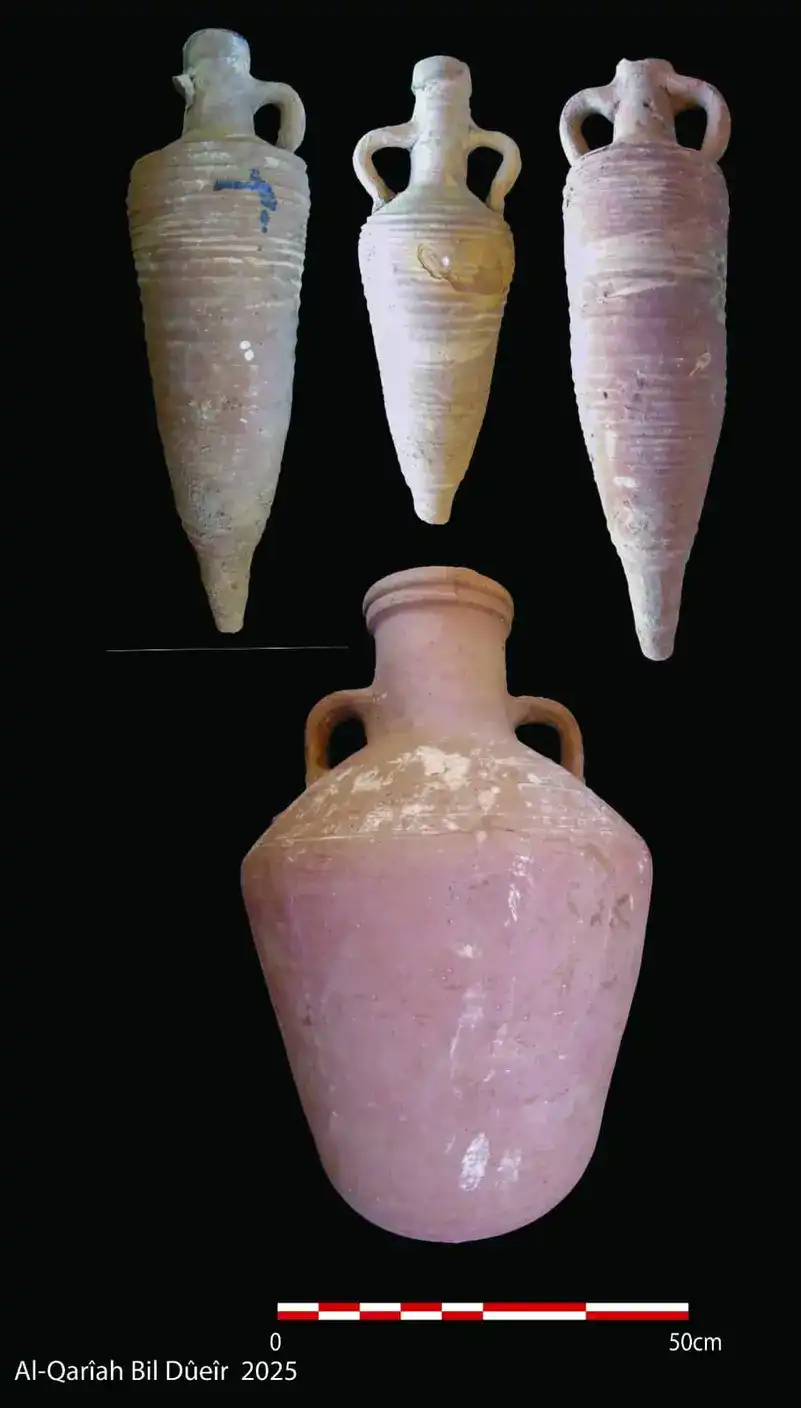
The Egyptian authorities have announced a significant archaeological find in Sohag Governorate, uncovering a complete monastic complex from the Byzantine period. This site offers a unique insight into the lives of monks in Upper Egypt approximately 1,600 years ago, featuring places of worship, food utensils, inscriptions, and writings.
The Supreme Council of Antiquities reported that this discovery is situated in the village of Baldwir in the Tama district, showcasing the richness and diversity of Egypt's cultural heritage over the centuries. It serves as a vital resource for historical research and is likely to attract visitors and scholars interested in the evolution of civilizations and religions.
Overview of the Monastic Complex
Dr. Mohamed Ismail Khaled, Secretary-General of the Supreme Council of Antiquities, stated that the excavation revealed a fully developed monastic community with a structured lifestyle, indicating how monks lived during that period. The findings include:
- Rectangular structures made of mud bricks, measuring between 8 × 7 meters and 14 × 8 meters, some of which feature worship halls and small vaulted rooms.
- Walls retaining remnants of plaster, along with niches and wall recesses.
- Southern courtyards and private entrances, as well as small circular buildings believed to have served as dining areas for the monks.
- Basins constructed from red brick and limestone, potentially used for water storage or industrial purposes.
- The main church of the complex, measuring 14 × 10 meters, which includes a nave and an altar.
- Writings in Coptic, along with other inscriptions that may represent letters, numbers, or names, alongside daily tools and stone pieces engraved with Coptic script, highlighting the religious and architectural significance of the monastic site.
Cultural Heritage and Tourism Potential
This discovery marks an important addition to Egypt's archaeological heritage, enriching our understanding of ancient monasticism and reinforcing Upper Egypt's status as a cultural hub throughout history. It is expected to attract both researchers and tourists interested in the historical interplay of civilizations and religions.
