Understanding the Impact of Cold Showers on Blood Pressure and Heart Health
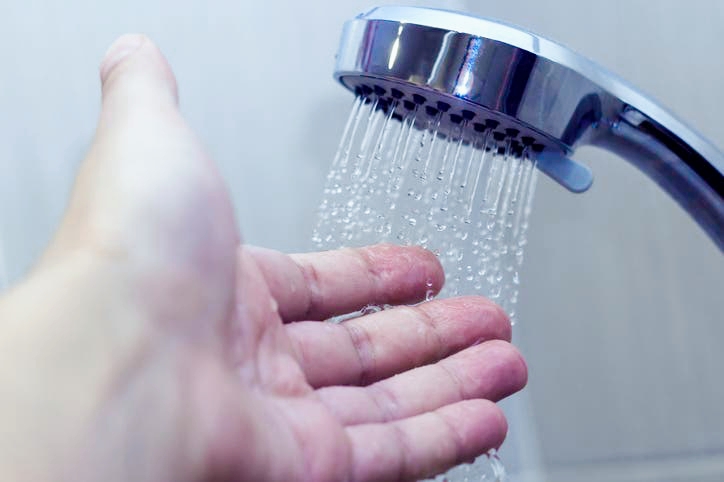
As cold showers become more popular among fitness enthusiasts, health experts caution that this practice may cause a rapid increase in blood pressure, particularly in those with cardiovascular issues or circulatory disorders.
A report from the Times of India highlights that sudden cold water exposure can cause blood vessels to constrict and trigger the release of stress hormones, which can elevate heart pressure almost instantly.
Research indicates that this response is particularly pronounced in individuals with hypertension, coronary artery disease, heart rhythm abnormalities, or a history of stroke.
* Why Cold Showers May Pose Risks
• Blood Vessel Constriction: This reduces heat loss but increases vascular resistance, forcing the heart to work harder to pump blood.
• Activation of the Sympathetic Nervous System: This leads to an increased heart rate and stronger heart contractions.
• Temporary Vascular Stress: Sudden cold exposure can elevate biochemical stress markers and increase pressure on the circulatory system.
• Possible Symptoms: Individuals may experience dizziness, shortness of breath, discomfort, or temporary heart rhythm irregularities.
* Can the Body Adapt to Cold Showers?
Some studies suggest that with regular exposure, the body can gradually adapt to moderate cold temperatures.
Cold water swimmers and those living in colder climates often exhibit greater endurance and less severe blood vessel constriction, which can mitigate sudden spikes in blood pressure.
* Safety Tips for Cold Showers
_ Start Gradually: Begin with lukewarm water and slowly decrease the temperature to prevent shock to the heart and blood vessels.
_ Consult Your Doctor: This is especially important for those with heart conditions, high blood pressure, or circulatory issues.
_ Avoid Stress Factors: Refrain from intense physical activity, dehydration, or caffeine consumption before exposure to cold water.
_ Monitor Your Body: Pay attention to any signs of dizziness, palpitations, shortness of breath, or unusual fatigue during or after the shower.
While cold showers can provide a refreshing sensation and increased alertness, they also pose genuine risks to heart health if not approached cautiously.
Remember: Balancing the potential benefits with individual health conditions is crucial for safety.