Al-Azhar Affirms Importance of Congratulating Christians in Egypt as a Core Islamic Principle
January 1, 2026185 ViewsRead Time: 2 minutes
Font Size
16
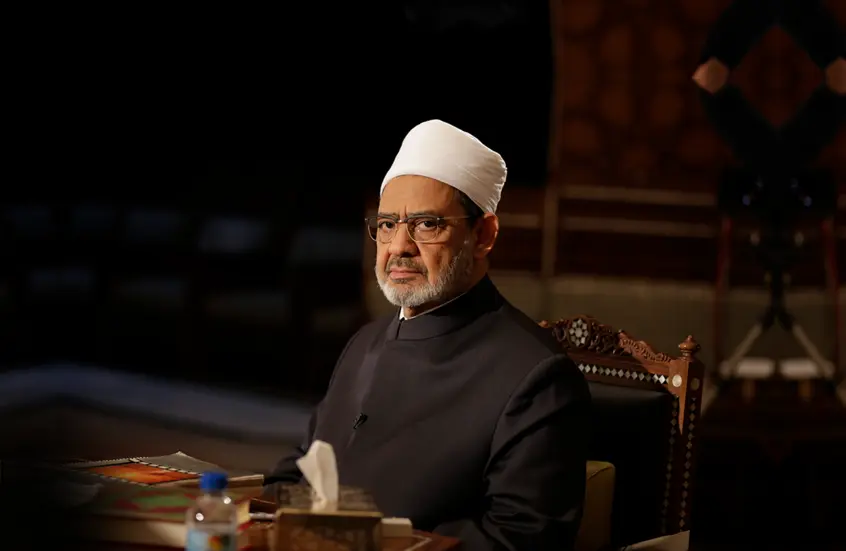
In a significant statement aimed at guiding societal discourse, Grand Imam of Al-Azhar, Dr. Ahmed Al-Tayyeb, declared that offering congratulations to Christians in Egypt during their religious holidays is rooted in Islamic teachings, countering claims that it deviates from the faith.
This message was part of communications released by Al-Azhar Voice, intended to address what the Imam described as misguided opinions and prevalent misunderstandings surrounding this topic.
Islam Promotes Brotherhood, Not Exclusion
The Imam stressed that Islam regards non-Muslims through the lens of human brotherhood and compassion, asserting that genuine Islamic values are founded on tolerance and coexistence rather than animosity or division.
He clarified that congratulating Christians is not merely a social formality but a fundamental human and religious act that aligns with the core tenets of Islam.
The Quran's Guidance on Interfaith Relations
The Grand Imam noted that the Holy Quran lays out a clear framework for interacting with those who are peaceful toward Muslims, regardless of their faith, emphasizing principles of righteousness, justice, and fairness, devoid of discrimination or fanaticism.
He affirmed that these principles are essential for navigating religiously and culturally diverse societies.
Equality Among Citizens is Fundamental
In a pivotal assertion, the Grand Imam reiterated that complete equality in rights and responsibilities among all citizens, irrespective of their beliefs, is a foundational principle in Islam that is not subject to debate or reinterpretation.
He argued that any religious discourse neglecting this principle diverges from the spirit and objectives of Sharia.
Protection of All Places of Worship
The Grand Imam also emphasized that the Quran and Sunnah do not prohibit the construction of churches; rather, Islamic law mandates the protection of mosques, churches, and synagogues equally, recognizing them as sacred spaces that must be safeguarded.
A Call for Global Understanding
The Imam concluded his statements by asserting that relationships between peoples and nations should be grounded in mutual respect and cooperation, rather than conflict, religious coercion, or disrespect for differing beliefs.