U.S. Forces Deploy Advanced Technology During Venezuelan Raid
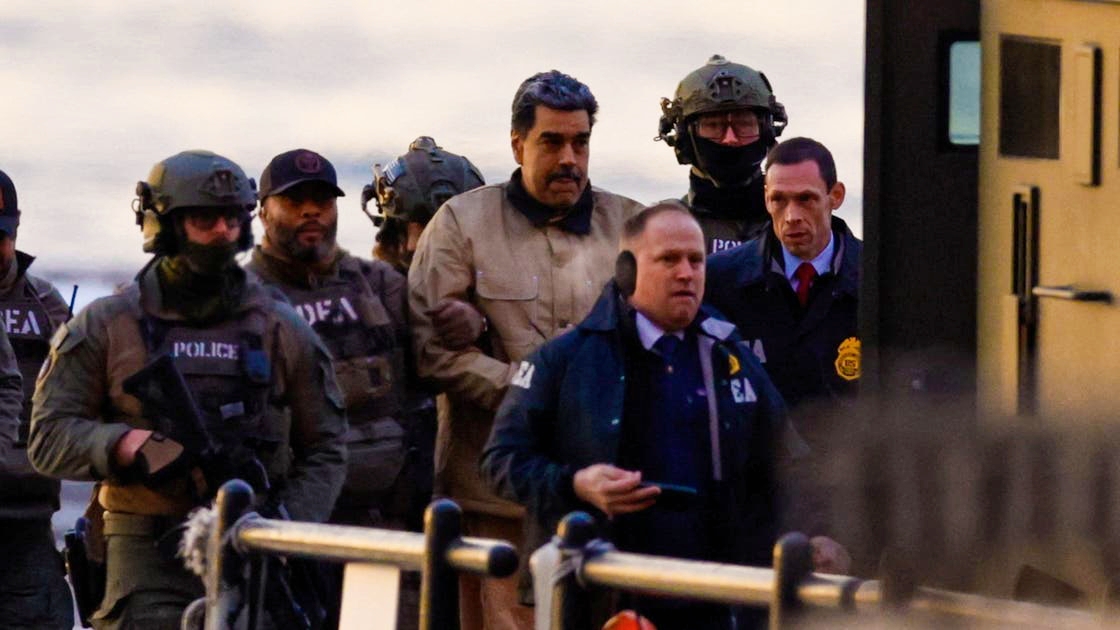
A former bodyguard of Venezuelan President Nicolás Maduro has alleged that U.S. forces employed a "powerful and mysterious weapon" during a raid that culminated in Maduro's capture on January 3. The bodyguard reported that Venezuelan soldiers experienced severe symptoms, including nosebleeds and vomiting blood.
In a statement shared by the White House on the platform "X" (formerly Twitter), the guard detailed how U.S. forces managed to neutralize numerous fighters without sustaining any casualties.
He stated: "We were on guard duty when suddenly all our radar systems failed, and drones began to hover over our positions; we were at a loss for how to respond."
Shortly thereafter, eight helicopters arrived, carrying 20 American soldiers equipped with advanced technology that surpassed standard military capabilities.
The guard remarked: "They were incredibly advanced; they were unlike any enemy we had previously encountered. It was not a battle; it was a massacre. We were outnumbered and had no chance."
The witness also described the use of a sonic weapon, saying:
"They deployed something resembling an extremely powerful sound wave; I felt as if my head was exploding. We all began to bleed from the nose, some of us vomited blood, and we were incapacitated."
The Venezuelan Interior Ministry confirmed that approximately 100 security personnel died during the operation, although it remains uncertain whether these fatalities were directly linked to the alleged weapon.
A former U.S. intelligence official informed the "New York Post" that the United States has possessed "directed energy weapons" technology for several years, with some systems capable of inducing severe symptoms such as bleeding, paralysis, pain, and burning sensations.
Regarding the implications of the raid, the guard warned:
"I caution anyone who believes they can confront the United States. After what I witnessed, I never want to find myself on the opposing side again."
He noted that the attack sent shockwaves throughout Latin America, especially following U.S. President Donald Trump's warning to Mexico that it is "on the list."
The incident has left a significant impact not only in Venezuela but across the region, prompting discussions about the unprecedented technological capabilities of the U.S. and their potential implications for future conflicts.