U.S. Ends H-1B Visa Lottery: Implications for Skilled Foreign Workers
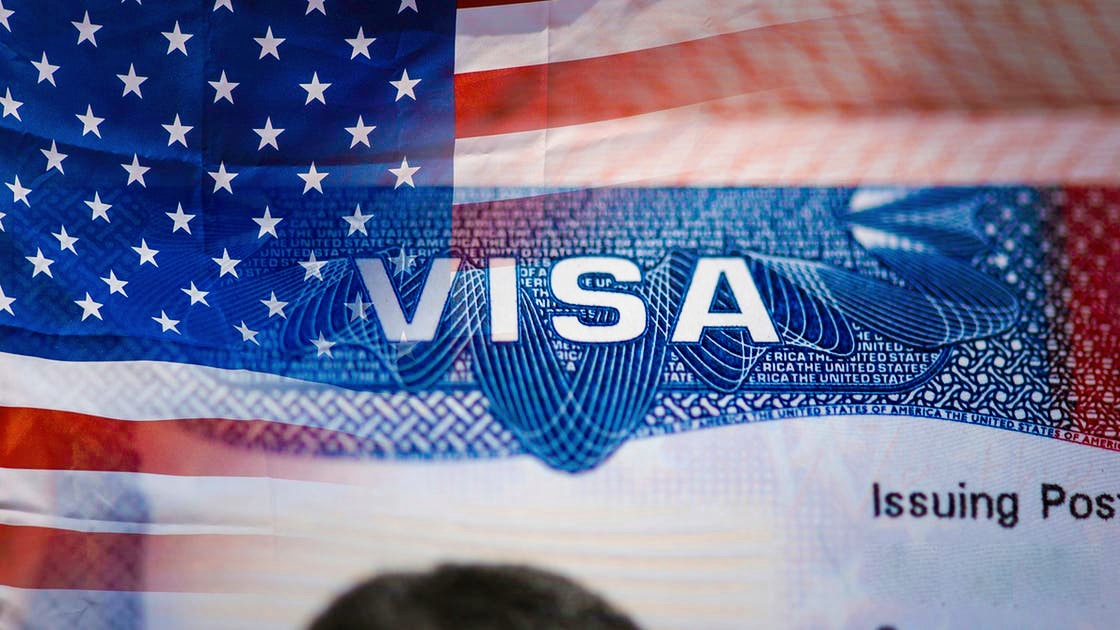
The U.S. Department of Homeland Security announced a groundbreaking decision to eliminate the random lottery system for H-1B work visas, a system that has been in place for many years. The new framework will prioritize foreign workers with advanced skills and higher wages.
Matthew Tragesser, a spokesperson for U.S. Citizenship and Immigration Services, remarked that the previous lottery system "was often exploited by some employers to hire foreign workers at lower wages than their American counterparts." He added that the new approach "will enhance the likelihood of granting visas to high-skilled foreign workers with competitive salaries," with implementation slated for February 27, 2026.
* Changes Under the Trump Administration
This decision is part of a broader initiative by the Trump administration aimed at reforming the visa program. Critics have labeled the old system as a means to attract low-wage workers, while proponents argue it fosters innovation within U.S. companies.
Earlier this year, President Trump announced an annual fee of $100,000 for high-skilled H-1B visas, a measure currently under legal challenge. Additionally, he introduced a "golden card" system requiring an investment of $1 million as a pathway to U.S. citizenship for affluent individuals.
* Beneficiaries of the New System
Historically, H-1B visas were allocated through a random lottery. This year, Amazon emerged as the largest recipient, securing over 10,000 visas, followed by major firms such as Tata Consultancy Services, Microsoft, Apple, and Google. California is noted for having the highest concentration of H-1B visa holders.
This policy shift signifies a major transformation in U.S. immigration strategy, moving from a chance-based system to one that emphasizes skills and compensation, potentially reshaping the labor market and driving innovation in leading American companies.